

civil
 585
3.9
585
3.9

- adjective
- /ˈsɪvəl/
- We should try to keep our discussions civil, even when we have different opinions.
Loading YouTube…
Watch on YouTubeAnd I think both are necessary for a safe and civil society, actually.
- And I think both are necessary for a safe and civil society, actually.
- We must begin that by restoring civil dialogue.
- The violent rage is not very civil right now.
- But please keep it civil, you filthy animals.
- Not to prove that they are wrong, but to create a civil society where you can have your feelings.
Examples
-
We're never gonna get anywhere, either one of us, if we don't start being civil to each other.
-
So my advice for him would be keep the relationship as civil as possible.
-
Thank you both for a brilliant and extremely civil exchange.
-
We had a really nice show planned for you, very civil, very calm.
-
I only asked you a civil question.
-
Are we going to keep this civil, or am I going to be doing this by myself tonight?
-
And we have to use it in a more civil and less emotional way.
-
We exchanged information in a civil way.
-
Normally, as long as he stays civil in my jurisdiction, I let him be.
Fiction book (1993) -
"I have never been known to be less than civil, Denny," she said, lifting her pointy chin.
Fiction book (1991)
Synonyms
 329
1.0
329
1.0
Showing good manners and respect to other people
 150
1.1
150
1.1
Being polite and showing admiration for someone
 43
3.7
43
3.7
Polite and respectful when you speak or behave
 10
2.9
10
2.9
Polite and respectful to other people
 1
4.1
1
4.1
Polite and behaving well around other people
Antonyms


Compounds

 67
3.4
67
3.4
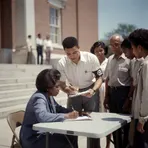
A mass movement in the United States in the 1950s and 1960s to win equal rights for Black Americans
 57
4.6
57
4.6
A basic right protected by law against unfair government action, like freedom of speech or religion
 35
2.7
35
2.7
A person who works for a government department in a long-term job and is not elected
- Specialized
35
3.9
A lawsuit between people or companies to get money for harm that is not criminal
 29
5.6
29
5.6
Refusing to follow some laws as a peaceful protest against unfair government actions


- Formal
19
3.0
Government workers who run public services, are not in the military or courts, and are usually chosen by exams
- US
18
3.9
A legal partnership between two people, often same-sex, that gives many marriage rights


 9
4.4
9
4.4
A civil war in Spain from 1936 to 1939 when General Franco overthrew the government


- Specialized
8
3.4
A person who designs and builds roads, bridges, and harbors for public use
 7
3.0
7
3.0
A war in the United States from 1861 to 1865 between the North and South over slavery and states' rights
 7
7.5
7
7.5
A person who supports strong personal rights and wants the government to not interfere in private choices
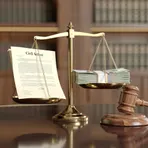

 5
3.2
5
3.2
A marriage ceremony carried out by a government official rather than a religious leader

- Specialized
4
3.5
Work that plans, builds, and looks after public things like roads, bridges, and dams

- Formal
3
4.5
A person or group that has power over people's daily life, not the military


- Formal
1
8.6
Failing to follow a court order that helps another person, causing fines or jail to make you obey


 1
6.0
1
6.0
A war in England from 1642 to 1651 between supporters of Parliament and the king that temporarily ended the monarchy


- Specialized

 1
8.1
1
8.1
An action or not doing something that harms another person and can lead to a lawsuit for money

- Archaic
Parliament gives money each year to pay official costs of the British royal family

- Archaic
A simpler form of the Cyrillic alphabet for printing books and papers that are not religious

- Formal
Official checking and blocking of civilian letters and films by the military during war


- Formal
A state in which a person loses most legal rights such as voting and owning property


A United Nations organization that makes rules for safe international air travel

A war in the United States from 1861 to 1865 between the Northern and Southern states
How Polite

Surface Forms
Etymology
Civil comes from the Latin word civis, meaning 'citizen'. Think of a town member behaving politely for others; from that idea civil came to mean being 'courteous' and proper in social life.