
atomic
 240
3.7
240
3.7

- adjective
- /əˈtɑːmɪk/
- Specialized
- In fact, despite our best efforts, humans never again used atomic weapons in war.
- an atomic bomb
- atomic energy
- atomic power
Loading YouTube…
Watch on YouTubeHow do you think the the atomic bomb, nuclear weapons change war?
- How do you think the the atomic bomb, nuclear weapons change war?
- We're waiting for, you know, atomic warfare and nuclear winter.
- He's got a wing in the Nevada, in the museum, the atomic testing museum named after him.
- But keeping the physics of the H bomb a secret do not does not make Americans more vulnerable to atomic attack than disclosing it.
- And then there's disinformation when the press reports that the crash was full of a bunch of atomic engineers working on a secret weapons program.
- They said they try setting off an atomic bomb, that didn't work.
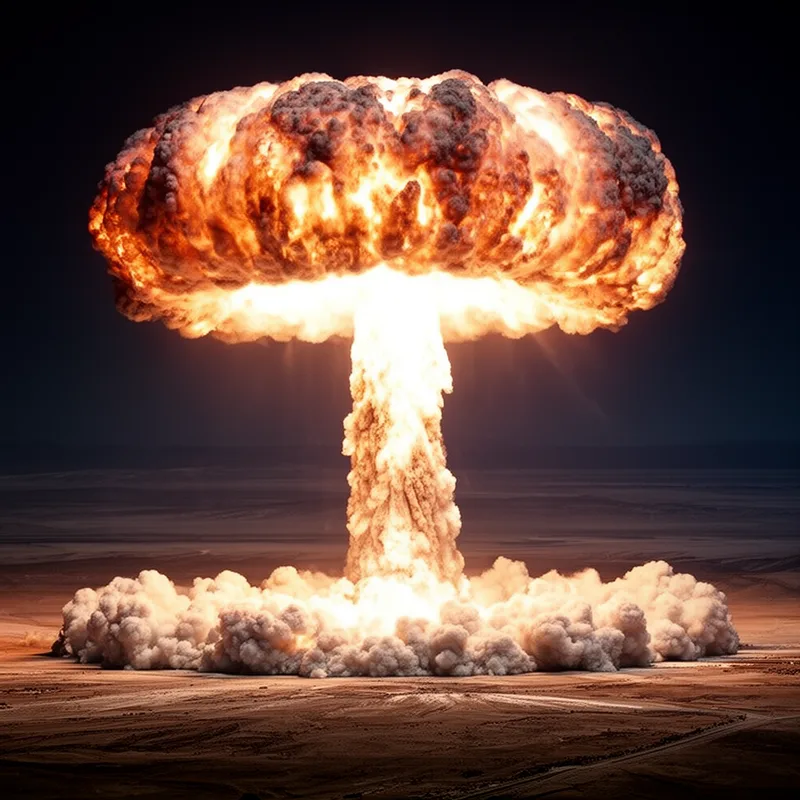
- Looks kind of like an like an atomic bomb explosion shape.
- They just think the, you know, maybe the atomic bomb or something like that, but that there's real your cell phones GPS like all of it has to do with physics.
- Have No Fear for Atomic Energy.
- I was told that it could withstand an atomic bomb.
Examples
-
I prefer to call it an atomic device.
-
We dropped two atomic bombs.
-
Ten thousand times more powerful than atomic energy.
-
We were still in the Cold War; atomic war was still possible; anything was possible.
Fiction book (1994) -
The first atomic bomb attack was on which city?
-
The atomic bomb is out of the question.
-
So Atomic Bomb Dome, when the atomic bomb was dropped, this was basically the only building that survived the blast.
-
Did you know that an atomic bomb has more power than 50 million tons of TNT?
-
The first thing he remembered seeing on television was an atomic bomb exploding.
Fiction book (1991) -
The scientific community is still divided over the use of atomic weapons in warfare.
Synonyms
 ∞
5.1
∞
5.1
Relating to energy from the center of an atom, used for power or weapons
Idioms

Compounds
- Specialized
66
2.3
A very powerful weapon that splits atoms to make a huge explosion and destroy large areas
 11
3.5
11
3.5
A very powerful explosive that uses energy from splitting or joining atoms to destroy things


An international organization that helps countries use nuclear energy safely and peacefully
 4
4.2
4
4.2
A former United States government agency that oversaw nuclear energy research and civilian use


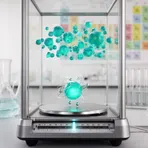
- Specialized
2
3.9
The average mass of the atoms of a chemical element, measured in atomic mass units
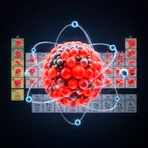
- Specialized
1
3.4
Number of protons in an atom's center that shows its place in the periodic table
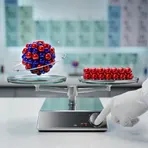
- Specialized
1
3.6
A number that tells how heavy one atom of an element is in atomic mass units

- Specialized
1
4.3
A machine that splits atoms to make energy for electricity or research

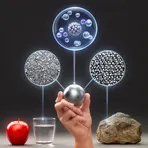
- Specialized
1
3.6
A scientific idea that all matter is made of tiny particles called atoms

- Specialized

 1
6.0
1
6.0
A pattern of lines in light made when atoms take in or give off energy, showing which element it is


- Informal
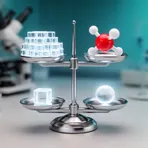
A strong mixed drink made with more than one kind of alcohol and bright layers


- Specialized
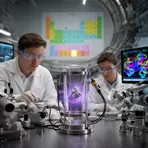
A radioactive metal made by shooting neutrons at plutonium in a lab

- Specialized
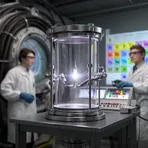
A radioactive metal element called nobelium with atomic number 102 that scientists use only for research
- Specialized
A radioactive element called lawrencium that scientists make in a lab


- Specialized
A man-made radioactive chemical element called rutherfordium with symbol Rf

- Specialized
A soft white metal found in rare earth minerals, used in special glass and camera lenses


- Specialized
A soft metal called neodymium from the rare earths used in strong magnets and lasers


- Specialized
A soft silver metal from the rare earth group that is radioactive and has no stable forms


- Specialized
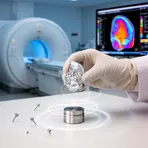
A silvery metal called samarium that is used in powerful magnets and electronics
- Specialized
A silvery-white chemical element used in magnets and medical imaging

- Specialized
A rare earth metal called holmium that helps make very strong magnets

- Specialized
A metal found in minerals and used in some lasers and glowing materials


- Specialized
A colorless, odorless gas that makes up most of the air and is needed by living things


- Specialized
A rare metal element called lutetium that is often found with yttrium


- Specialized
A heavy, rare metal used in strong metal mixtures and often found with platinum

- Specialized
A heavy, valuable grey-white metal that resists corrosion and is used for jewelry

- Specialized
A radioactive metal called polonium that is found with uranium and used in some devices


- Specialized
A very rare radioactive element that breaks down quickly and is called astatine


- Specialized
A radioactive metal called radium that appears in small amounts in uranium ores

- Specialized
A radioactive metal element called protactinium often made when uranium breaks down

- Specialized
A heavy radioactive metal used as fuel in nuclear reactors and in weapons
- Specialized
A radioactive metal called neptunium found in uranium ores and nuclear reactors


- Specialized
A radioactive metal called einsteinium with atomic number 99 made by hitting plutonium atoms with neutrons

- Specialized
A man-made radioactive heavy metal element called hassium with atomic number 108
- Specialized
A very heavy radioactive metal that scientists make in labs and has atomic number 109
- Specialized
A man-made chemical element named darmstadtium with 110 protons used only in research
- Specialized
A radioactive metal element called roentgenium whose atoms have 111 protons

- Specialized
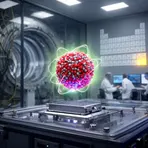
A very heavy radioactive metal made by scientists and named copernicium
- Specialized
A man-made radioactive element named nihonium with atomic number 113

- Specialized
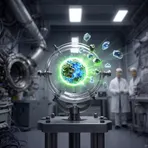
A very heavy man-made element called flerovium with atomic number 114
- Specialized
A very heavy chemical element made in a lab that breaks down quickly

- Specialized
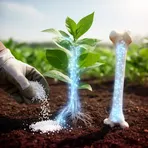
A radioactive element named livermorium with symbol Lv that has 116 protons in its atoms
- Specialized
A chemical element used in fertilizers and found in plants and bones

- Specialized
A poisonous yellow-green gas used to kill germs and to bleach things
How Destructive
- Specialized
6
8.3

- Specialized
240
3.7
233
4.6
- Specialized
123
4.4
Surface Forms
Morphology
Etymology
The word atomic comes from Greek atomos 'not cut', but because atoms store a huge amount of energy, people used atomic for things that use that power, like bombs or power plants. So atomic can mean 'relating to the energy released from atoms'.