
atomic number 22
- noun
- /əˈtɑːmɪk ˈnʌmbər ˈtwɛnti tu/
- Specialized
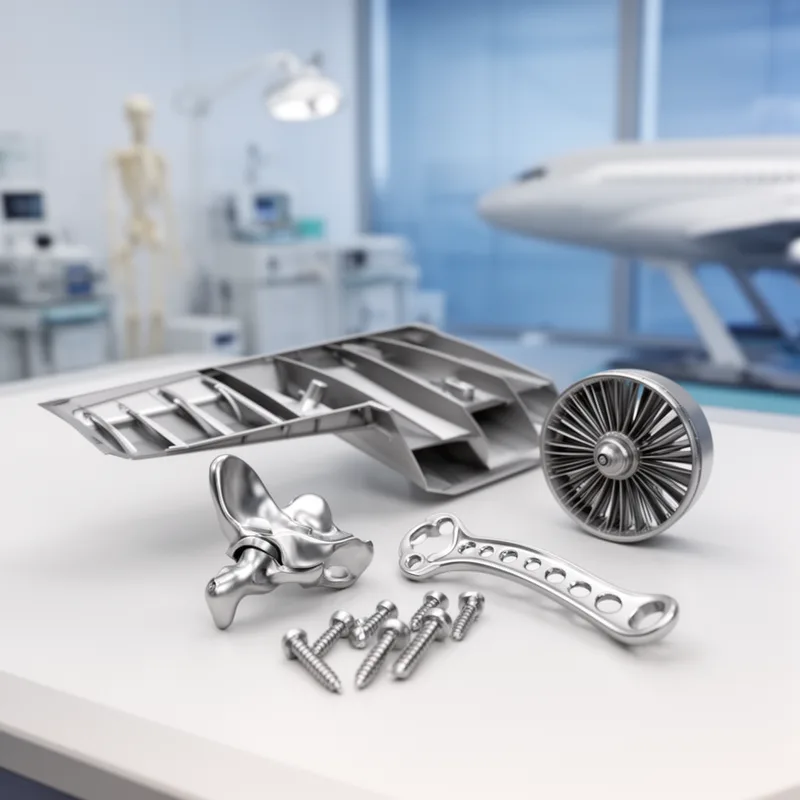
- Titanium, also known as atomic number 22, is widely used in aerospace.
Examples
-
The airplane's wings are made of atomic number 22 alloys for greater strength and lower weight.
-
Because atomic number 22 does not easily corrode, it is used in medical implants.
-
Mining companies extract atomic number 22 from minerals like rutile and ilmenite.
-
The atomic number 22 indicates the presence of titanium in a sample.
-
Because atomic number 22 does not easily corrode, it is used in medical implants.
-
The airplane's wings are made of atomic number 22 alloys for greater strength and lower weight.
-
Mining companies extract atomic number 22 from minerals like rutile and ilmenite.
Synonyms

 51
5.6
51
5.6

A strong light metal that does not rust and is used to make parts for planes and sports bikes
 10
5.8
10
5.8
A chemical symbol for the light, strong metal titanium
Surface Forms
Morphology
atomic + number + twenty-two
The phrase compositionally denotes 'the element whose atomic number is 22' — a B1 learner who knows 'atomic', 'number' and 'twenty-two' can infer it refers to an element identified by proton count. However, identifying that this specific atomic number corresponds to titanium requires factual knowledge of the periodic table, so the referent is not fully recoverable from the parts alone.
Etymology
The noun atomic number 22 comes from the way scientists name atoms: the word atomic plus the number 22 shows an atom with 22 small particles inside, so the label points to the metal 'titanium'. That's why atomic number 22 means 'titanium', a light, strong metal used in medical implants and airplane parts.