
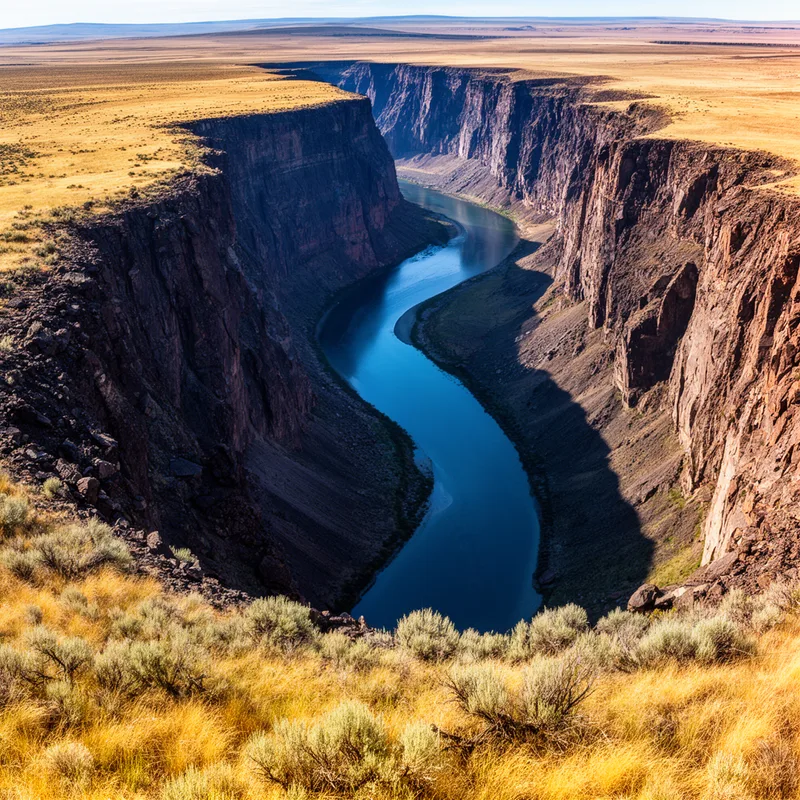
Snake
 9
4.7
9
4.7

- proper noun
- /sneɪk/
- On the contrary, the four lower Snake River dams were a significant obstacle to Nez Perce sovereignty and well-being.
- Snake River
- Columbia and Snake
- lower Snake
Loading YouTube…
Watch on YouTubeThis came from a local supplier, Snake River Seed Cooperative.
- This came from a local supplier, Snake River Seed Cooperative.
Examples
-
The Columbia and Snake river basins produce more hydroelectricity than any other river in the United States.
Academic text (2005) -
In 1805, Lewis and Clark and the Nez Perces met in the upper reaches of the lower Snake River watershed.
Academic text (2005) -
Remember the trip down the Snake River when I was 12?
-
You remember, Bill, that time up, uh, on the Snake River...
-
After we cross the Snake River, each of you will have an opportunity for self discovery.
-
So he crossed the Snake River and climbed the highest mountain.
Academic text (1991) -
Six are related to agricultural development in the lower Snake River watershed.
Academic text (2005) -
Tribal leaders conclude that the federal Snake River management plan is geared to protect dams and not salmon.
Academic text (2005) -
From a ridge overlooking the Snake River, we could see the Grand Teton mountains, resplendent in the moonlight.
Academic text (1991) -
Many tourists flock to see the breathtaking views of the Snake River during the summer.
Synonyms
 1
3.0
1
3.0
A large river in the northwest United States that flows from Wyoming to the Columbia River
Idioms

- Offensive
5
8.1
A person who pretends to be friendly but secretly harms or tricks you



Compounds

- Offensive
7
8.0
A person who tricks people by offering fake medicines or useless products


- US
4
3.8
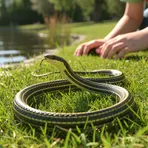
A common North and Central American snake that is not venomous and has long stripes
 3
4.3
3
4.3
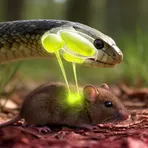
A poisonous fluid that some snakes inject when they bite to stop or kill other animals


- Specialized
2
6.4
A long sea animal with no legs, a flat tail, and a poisonous bite that eats fish

 1
3.0
1
3.0
A large river in the northwest United States that flows from Wyoming to the Columbia River
- US
1
6.0
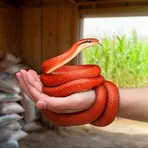
A gentle reddish-orange snake from the southeastern United States often found on farms and kept as a pet


 1
3.5
1
3.5
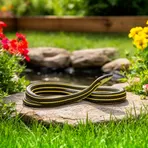
A harmless North American snake that has stripes and often lives in gardens
- Specialized
1
8.5
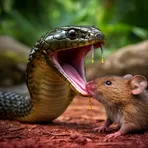
A snake like a cobra or mamba that has venom and uses fixed fangs to put it into other animals
- US
1
5.8
A North American snake that does not have venom and often eats other snakes and small animals

- US
1
7.0
A large North American snake that is not venomous and lives in burrows eating rodents


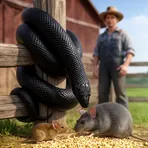
A large shiny black snake from North America that is not venomous and eats rats and mice


- US
A large North American snake that eats rodents, lives in burrows, and is not venomous

- Australian
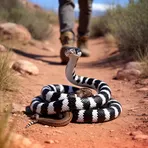
A large Australian snake with patterned skin that often lives near farms

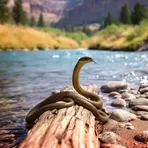
A snake that is not venomous and lives near fresh water in the western United States

- Specialized
A mostly non-venomous snake that lives on land, in trees, or near water

- US
A long thin water animal like an eel with tiny legs that lives in muddy pools in the southern US


- Specialized
A venomous banded snake from the southeastern United States and parts of Central America

A small reddish-grey snake in eastern North America that burrows under leaves and soil

A large nonvenomous snake with shiny blue-black skin that lives in the southeastern United States

- South African
A small snake that lives in trees in southern Africa with black and orange bands
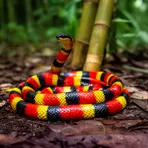
- Indian
A venomous snake with bright red, yellow, and black bands that lives in Asia

A small snake with dark and light rings that moves through sand in the southwestern United States
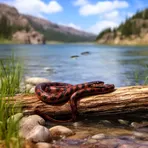
A harmless snake with dark bands that lives near rivers and lakes in the western United States

- Australian
A small venomous Australian snake with bright red, black and white rings that is usually harmless to people

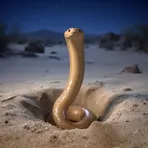
A pale blotched desert snake with a short blunt nose from southwestern North America that is not dangerous to people
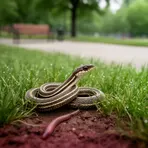
- Specialized
A small shy snake with stripes that lives in grass and parks in the central United States

- US
A mildly venomous snake with a V-shaped mark on its head that lives in rocky areas

- US
A harmless North American snake with red, black, and white bands that looks like a coral snake
- Specialized
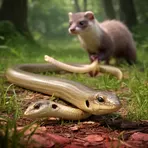
A legless lizard with a long tail that breaks off and regrows to escape predators


- US
A small shy snake with bright rings that hides under rocks in dry western North America
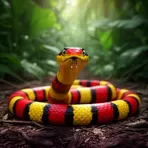
A brightly colored snake with poison in its bite that lives in Central and South America
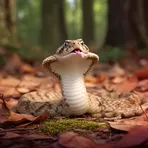
A harmless North American snake with an upturned nose that spreads its head and plays dead when scared

- Archaic
A snake from old stories that holds its tail in its mouth and rolls like a hoop

- South African
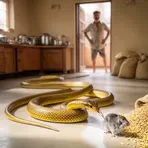
A snake that is not poisonous, often tan or brown, that lives near houses and eats mice
- Indian
A large snake from South and Southeast Asia that is not poisonous and often enters buildings to catch mice

- US
A large dark blue nonvenomous snake in southern North America and Mexico that often enters burrows
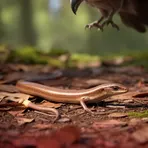


A brightly colored venomous snake from the Americas with red, black and yellow or white bands
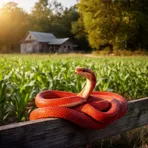
A large harmless reddish snake from the southern United States that lives on farms and in woods
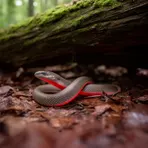


- UK
A harmless snake with a bright ring around its neck found in North America or Europe
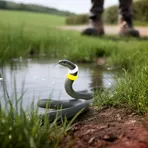
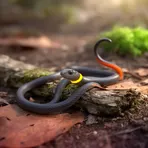
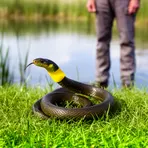
A small snake that is not poisonous with a yellow or orange ring around its neck
- Specialized
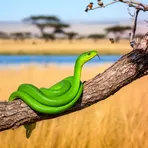
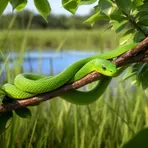
A thin bright green snake with rough scales that is harmless and lives in the southern and eastern United States

- Australian
A venomous snake from Asia, Africa, or Australia with bright bands

- US
A large snake that does not have venom and lives in pine woods in the eastern United States


- Australian
A venomous snake with brown and yellow bands found in Australia and Tasmania

A small reddish snake that looks like a worm and lives in eastern United States woodlands

A harmless pale snake with smooth, rubbery skin that lives in grass and woods
Surface Forms
Etymology
Snake was used as the name for the river because early visitors thought its long, winding course looked like a snake, and a helpful way to remember it is to imagine the river curling like a living serpent through the land, which is why the river is called Snake.