

Rhus
- noun
- /rəs/
- Specialized
- The Rhus plant is well-known for its vibrant autumn foliage.
- Rhus sumac
Examples
-
We planted a Rhus shrub in our garden to attract butterflies.
-
- No, Rhus.
-
Smooth sumac, or Rhus glabra, is often found in fields and along roadsides.
Synonyms

A group of shrubs and small trees called sumacs that grow in mild and warm regions, mostly not poisonous
Compounds
- Specialized
A group of shrubs and small trees called sumacs that grow in mild and warm regions, mostly not poisonous

- Specialized
A small shrub with scented leaves, yellow green flower spikes and red hairy berries
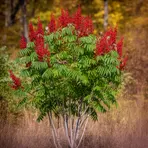
- Specialized
A common not poisonous shrub from eastern North America with winged leaf stalks and red berries

- Specialized
A skin rash you get from touching plants like poison ivy or poison oak

- Specialized
A tree from Australia that stays green all year and gives dark yellow wood

- Specialized
A shrub that causes an itchy skin rash when you touch it, called poison oak
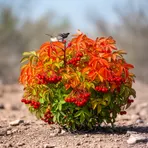

- Specialized
A small tree or shrub that loses leaves in autumn and has bright red leaves and red berries

- Specialized
A small Asian tree whose sap makes a hard shiny finish for wood and can cause skin allergy

- Specialized
A shrub also called poison sumac that grows in swamps and makes an oil causing itchy skin rashes

- Specialized
A poisonous bush on the Pacific coast that causes a skin rash when touched

- Specialized
A shrub from eastern North America with red berries and leaves that turn bright red in fall
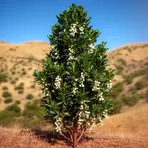
- Specialized
A small evergreen shrub from California with fragrant leaves and whitish berries
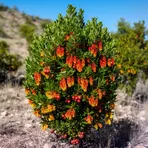
- Specialized
An evergreen shrub from southwest United States and northwest Mexico with red-yellow flower clusters and small sticky fruits

- Specialized
A poisonous shrub from the southeastern United States that causes a rash when its leaves or sap touch the skin

- Specialized
A climbing plant with three-part leaves and white berries that makes an oil causing skin rashes when touched
Surface Forms
Etymology
The word Rhus comes from the old Greek word rhous, which meant 'sumac', a plant often used for red dye and spice. So Rhus is the scientific name for sumac plants, and that helps explain why many of them have bright red leaves and were used to make dyes.

