
Rhus toxicodendron
- noun
- /rəs ˌtɒkɪkoʊˈdɛndrən/
- Specialized
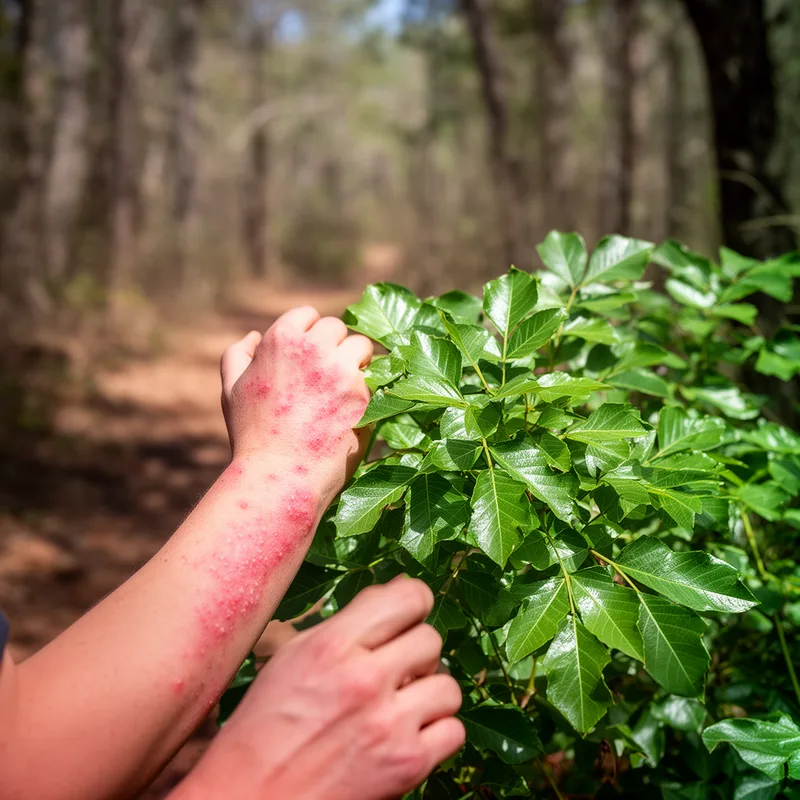
- Contact with Rhus toxicodendron can result in an itchy, uncomfortable rash.
Examples
-
Hikers should be cautious of Rhus toxicodendron when walking through southeastern woodlands.
-
Many people develop a rash from Rhus toxicodendron exposure.
-
Botanists often study Rhus toxicodendron to understand allergic skin reactions.
-
I accidentally brushed against a Rhus toxicodendron while hiking.
-
Contact with Rhus toxicodendron can result in an itchy, uncomfortable rash.
-
Hikers should be cautious of Rhus toxicodendron when walking through southeastern woodlands.
-
Many people develop a rash from Rhus toxicodendron exposure.
Synonyms

 3
6.5
3
6.5

A climbing or spreading plant with oak-like leaves that makes oil causing skin rash

A poisonous bush that causes a skin rash when you touch it

A plant that causes a skin rash when you touch it
A poisonous shrub from the southeastern United States that causes a rash when its leaves or sap touch the skin
Surface Forms
Morphology
The term is a compositional botanical name: 'Rhus' denotes sumacs and 'Toxicodendron' literally signals a toxic/tree-like shrub that causes skin irritation, so the referent (a poisonous shrub causing rashes, i.e. poison oak/related plants) is directly inferable. This is a factual, non-idiomatic compound rather than an idiom, so a B1 learner who knows the constituent meanings can understand it.
Etymology
Rhus toxicodendron is an old scientific name that gives a clear picture: Rhus is the shrub group and toxicodendron literally means 'poison tree', because touching the plant causes an itchy skin rash. That's why the name points to its poisonous effect.