
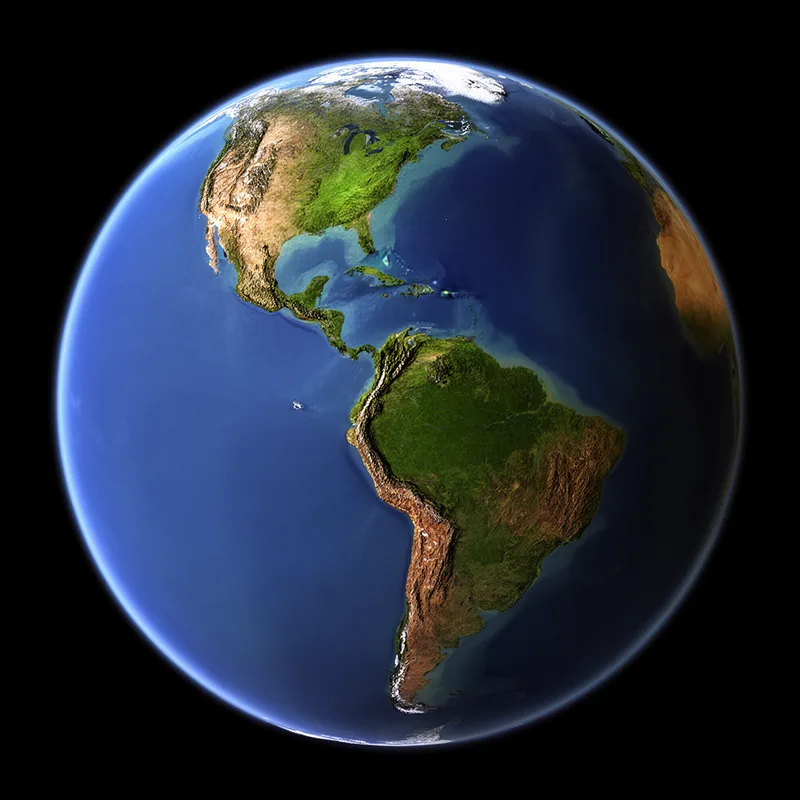
American
 763
1.0
763
1.0

- adjective
- /əˈmɛrɪkən/
- American folk magic.
- Native American
- North American
- Latin American
Loading YouTube…
Watch on YouTubemy partner, partner and I are the North American Ladies Bridge champion.
- my partner, partner and I are the North American Ladies Bridge champion.
- There was some South American women game bets going on.
- Ishtar, Johnny Depp, Native American film played Tonto.
- He said it is a North American bald, stupid ape.
- He was wearing a like a Native American poncho type of thing.
- It was possibly the most classic American alligator hunting voice.
- OK, so you are trapped in some South American jail, right?
- And there was also a handful of South American like Hispanic.
- I fish on chicken liver and I fish on a worm, American worm.
Examples
-
Good Ranchers is the place to get American beef, chicken and seafood.
-
I like this American breakfast thing.
-
Well, we're primarily involved with the study of Native American culture.
-
That was an American president committing American resources to a conflict.
-
I guess it doesn't get more American than this apple pie.
-
Chase that American dream.
-
This region has a rich American culture that reflects its diverse historical influences.
-
The American music festival showcased various styles from jazz to rock and folk.
-
Many tourists visit to experience the vibrant American art scene in cities like New York and Chicago.
Compounds
 220
1.3
220
1.3
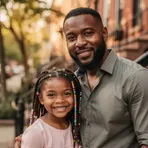
A person in the United States whose family comes from Africa, often for many generations
 199
2.8
199
2.8
A person in the United States whose family came from Africa, often brought there as slaves
 161
3.4
161
3.4
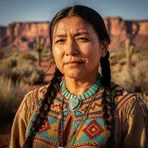
A person whose family lived in North or South America before Europeans arrived
 103
3.9
103
3.9
The idea that anyone in the United States can become successful through hard work


 56
1.0
56
1.0
A piece of cloth that stands for the United States with thirteen stripes and fifty stars


 23
2.7
23
2.7
A war from 1775 to 1783 when thirteen colonies fought Britain and formed the United States

 17
3.1
17
3.1
A person who lives in the United States and was born in Mexico or has family from Mexico
 14
3.7
14
3.7
An agreement from 1994 that made trade easier between the United States, Canada, and Mexico
 11
3.5
11
3.5
A large U.S. group of military veterans who support each other and promote national pride
 7
3.0
7
3.0
A war in the United States from 1861 to 1865 between the North and South over slavery and states' rights

 6
2.0
6
2.0
English spoken and written in the United States with its own words, spelling, and accents
 6
3.2
6
3.2
A person in the United States whose family comes from a Spanish-speaking country, often from Latin America or Spain
 5
5.8
5
5.8
A 1898 war between the United States and Spain that gives U.S. territories like Puerto Rico, Guam, and the Philippines



An international group of most countries in the Americas that cooperate on military, economic, social, and cultural issues
 4
2.8
4
2.8
A team sport where two teams try to carry or pass an oval ball into the other team's end zone

 3
3.9
3
3.9
A language of hand signs and body movements used by deaf people in the United States and parts of Canada
 3
1.0
3
1.0
One of the fifty parts of the United States with its own government and laws
 2
6.5
2
6.5
The western United States in the 1700s and 1800s where settlers explored and lived
 2
5.2
2
5.2
A war between the United States and Mexico from 1846 to 1848 that gave the United States large Southwest lands

 1
4.2
1
4.2
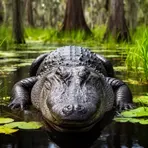
A large dark reptile with a wide snout that lives in southeastern United States swamps

 1
3.4
1
3.4
English that people speak and write in the United States with different words and sounds

A strong, muscular dog breed from the United States with a short coat and high energy

A war from 1775 to 1783 when the American colonies fought to become independent from Britain
 1
4.8
1
4.8
A wild plum tree from eastern and central North America with red fruit and yellow flesh

- Archaic
1
5.1
A person from the native peoples of South America before European arrival


 1
5.7
1
5.7
A large eastern North American tree that makes edible nuts and strong wood
 1
3.0
1
3.0
A large North American bird with a white head and dark body that often eats fish

 1
5.3
1
5.3
A former group of unions in the United States that merged in 1955 to form the AFL-CIO
 1
2.8
1
2.8
Team sport with two 11-player teams trying to move the ball into the other end zone by running or passing

- Specialized
1
3.3
A large shaggy brown animal that lives on the North American plains

- Specialized
1
3.4
A medium-sized North American bear usually with black or dark brown fur and less aggressive than brown bears

A war from 1775 to 1783 when the American colonies won freedom from Britain
 1
8.6
1
8.6
A very large tree with broad branches and peeling bark from eastern and central North America


 1
3.2
1
3.2
Relating to people in the United States whose family came from Germany and their culture
 1
3.0
1
3.0
A person in the United States who speaks Spanish as their first language or whose family speaks Spanish
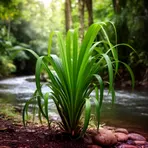
A fern with narrow, strap-like leaves that grows from Florida to Argentina


- Specialized
A way of speaking English used by many Black people in the United States

- Specialized
A way of speaking English used by many African Americans with its own grammar, words, and sounds

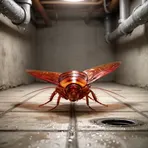
A large reddish-brown cockroach that often lives in warm, humid places and can fly short distances

A medium-sized water bird with a gray body and white bill often found in lakes and ponds

A tall plant that lives for many years and grows on dry hills in western North America

A small copper-colored butterfly that visits wildflowers in fields and gardens


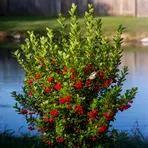
A North American shrub or small tree with three-lobed leaves and clusters of red berries

Large freshwater animal like a small lobster from eastern North America that lives in rivers and streams

A small North American bird with a thin curved bill that climbs tree trunks to find insects


A common tick in North America that can spread diseases like Rocky Mountain spotted fever
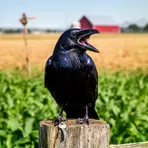
A large glossy black bird found in North America that makes a loud cawing sound and is very smart

A small North American tree grown in gardens for its white spring flowers and red berries

A small wild flower with pale purple or white petals that grows in eastern North American woods

A small shrub with low, spreading branches that grows in cold northern regions

A low wild bush that makes sweet dark purple or black berries like blackberries
- Specialized
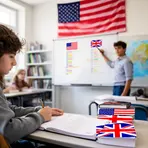
Spelling used in the United States, for example color not colour
Surface Forms
Morphology
Etymology
American comes from America, the name given to the continents after the explorer Amerigo Vespucci, so American can also mean 'relating to the peoples, lands, or cultures of North, Central, or South America'.