
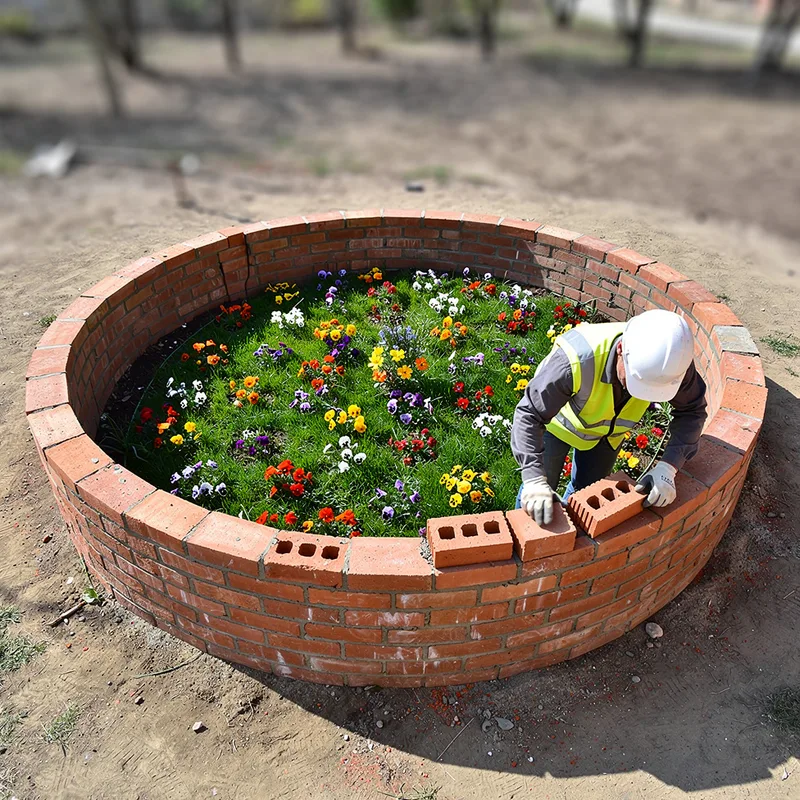
to wall in
 7
5.8
7
5.8

- phrasal verb
- /wɔl ɪn/
- We can build a wall in Austin and have two capitals.
Examples
-
Excavations have shown that the owners erected a retaining wall in an attempt to control the runoff.
Academic text (2011) -
The builders will wall in the garden to protect it from wild animals.
-
They decided to wall in the playground to keep the children safe.
-
In the new design, they plan to wall in the patio with a high fence.
Synonyms
 119
4.6
119
4.6
Surround or enclose a place by bringing things nearer from all sides
 84
3.7
84
3.7
Surround something completely, often with a wall or fence
 42
4.8
42
4.8
To stop people from entering a place by putting up a barrier
 41
6.4
41
6.4
To surround an area with a wall to protect it
 19
2.4
19
2.4
To put a barrier around land to mark or protect it
 6
6.7
6
6.7
Surround a person or thing so they cannot leave
 4
3.7
4
3.7
Surround an area with a fence to stop people from entering
 3
6.1
3
6.1
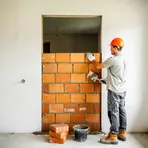
Close an opening by building a wall across it
 3
3.0
3
3.0
To surround an area with a barrier to keep others out
 2
5.2
2
5.2
To close an opening by building a solid wall of blocks
 2
5.4
2
5.4
To put someone or something into a small space with bars to stop them moving freely
 1
7.0
1
7.0
To close an opening by building a wall of bricks across it


 1
6.7
1
6.7
To close an opening like a door or window by building a brick wall across it

To build a wall around something to protect or separate it

To surround a place with rails or a fence for protection

Surround a place or person so they cannot move freely

Surround something completely so it cannot get out or move
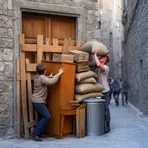
To block a place with things to stop people from entering
Antonyms


How Enclosed

Surface Forms
Morphology
The meaning is directly built from 'wall' used as a verb (to enclose/fortify with a wall) plus 'in' indicating being inside boundaries, so a listener can compositionally infer 'to enclose someone/something by building a wall around them.' This verb + preposition pattern is transparent and common (cf. 'fence in'), so a B1 learner who knows the constituents would readily understand the MWE.
Etymology
Wall in comes from the simple picture of building a wall around something and putting it in a closed space. That's why it means 'to enclose' or 'to feel trapped'.