

to calm
 962
1.0
962
1.0

- verb
- /kɑm/
- The rhythm of motion began to calm him enough to actually think rather than react.
- calm fears
- try to calm
- help calm
Loading YouTube…
Watch on YouTubeAnd what would you say to them to calm their fears right now?
- And what would you say to them to calm their fears right now?
- That is a verse that really calms my fear of the future.
- I was like, whoa, you got to calm down, slow down reading.
- It's a way of calming my breath and calming my nervous system.
- So, you know, let's put let's calm down and put all this in place.
- So the fastest way to calm down is to emphasize exhales.
- Whatever you got to do to just calm yourself, maybe have some tea.
- And so the last week has been like, nice to just like, calm down.
- Now, you could also do that in order to calm your mind, right?
- Also what I've been doing to help calm down my eczema.
- So, Mika Brzezinski, calm the F down.
Examples
-
Everybody calm down!
-
That is a verse that really calms my fear of the future.
-
And So what do you do to calm your nervous system?
-
Whatever you got to do to just calm yourself, maybe have some tea.
-
I need you to calm down, OK?
-
We're about to learn some simple relaxation tools to calm those angry and frustrated feelings.
-
Yeah, and he said to me, calm down, you're having a panic attack.
-
Anyways, I need to calm down before I faint.
-
Please calm down.
-
She practiced meditation to calm her mind before the exam.
Synonyms
 ∞
1.0
∞
1.0
To feel less nervous and more calm
 594
1.4
594
1.4
To become less angry, excited, or upset
 540
2.8
540
2.8
To become calm and still after movement or excitement
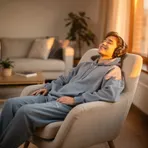 99
4.9
99
4.9
To relax and become calm after you feel upset
 95
6.8
95
6.8
To give medicine to make someone calm or sleepy
 68
3.2
68
3.2
To make someone or something calm and less noisy
 63
3.4
63
3.4
To make someone feel calmer or reduce their pain
 56
2.5
56
2.5
To become quiet and calm after being excited
 55
6.2
55
6.2
To calm down and stop being angry or excited
 50
2.7
50
2.7
To become calmer, less angry, or less hot
 42
2.0
42
2.0
Make people or things less noisy and less active
 33
3.4
33
3.4
Make a person or thing quiet so others stop making noise
 27
4.5
27
4.5
Act calm and relaxed to hide nervousness
 19
5.2
19
5.2
To make someone feel calm and safe when they are not
 19
2.5
19
2.5
Feel less angry or excited
 16
4.2
16
4.2
Feel calm and not worried after someone reassures you
 14
4.1
14
4.1
To become calm after strong feelings or to tell someone else to calm down
 12
4.2
12
4.2
To make quiet or calm
 11
5.2
11
5.2
To calm someone who is angry or upset
 10
6.3
10
6.3
Become more relaxed and easygoing
 10
6.8
10
6.8
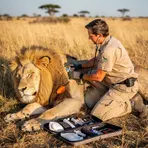
To make a person or animal calm by giving them medicine
 8
7.2
8
7.2
To make someone less angry or upset
 3
4.6
3
4.6
Make someone or something less noisy and calmer

Make a tense situation calmer
Antonyms


Idioms


- Offensive
Tell someone or yourself to relax and stop being angry in a rude way

Phrasal Verbs
Compounds



How Calm
- Specialized
10
6.8
 11
5.2
962
1.0
540
2.8
63
3.4
11
5.2
962
1.0
540
2.8
63
3.4
Surface Forms
Etymology
The verb calm comes from the same root kauma 'heat' because the old idea was that heat made things quiet and still. So to calm someone is to make them 'quiet' or less upset.