

inert
 14
5.9
14
5.9

- adjective
- /ɪˈnɜrt/
- Specialized
- The paint is formulated with an inert base to ensure it does not interact with other chemicals.
- inert gases
- inert material
- chemically inert
Loading YouTube…
Watch on YouTubeSo the helium, remember, is incredibly inert, unreactive.
- So the helium, remember, is incredibly inert, unreactive.
- And by inert, it just means that they don't have reactive sites.
- Yes, I think we should avoid mega dosing because these micronutrients and these dietary supplements are not inert.
- So this is a very new science, but it's it's showing us how things that we thought were completely inert, like artificial sweeteners like carrageenan.
Examples
-
PTFE is a synthetic biomaterial that is inert, nonadhesive, nonfrictional, and induces almost no inflammatory reaction (14, 15).
Academic text (2015) -
The suspension medium is perfectly inert and harmless, but very unpleasant to the touch when chilled.
Fiction book (1996) -
So there is now an electric field inside an inert piece of material.
-
Separately they are harmless, completely inert.
-
I have this beautifully chemically inert tray which I use for stuff like this.
-
So the helium, remember, is incredibly inert, unreactive.
-
Except for helium, which is chemically inert, those elements are the main ingredients of life as we know it.
Academic text (2004) -
Helium, neon, argon, they were all grouped in one column because they were found to be very inert, very unreactive.
-
In the laboratory, we often use argon as an inert gas to protect sensitive materials from reactions.
-
The reactor was filled with an inert atmosphere to prevent any unwanted chemical reactions.
Synonyms
 4
5.2
4
5.2
Not reacting easily with other substances
 1
6.0
1
6.0
Not taking part in a chemical reaction
 1
4.6
1
4.6
A material that does not change when it touches another substance


 1
6.7
1
6.7
Not reacting with other substances

Does not easily take part in a chemical change, like noble gases
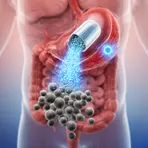
Does not cause any effect in the body, for example in medicines
Antonyms

Compounds

How Reactive

Surface Forms
Etymology
The word inert comes from Latin in- 'not' and ars 'skill' or 'power', a root also related to English art meaning skill. So an inert substance is 'not active' and does not easily react with other chemicals.