
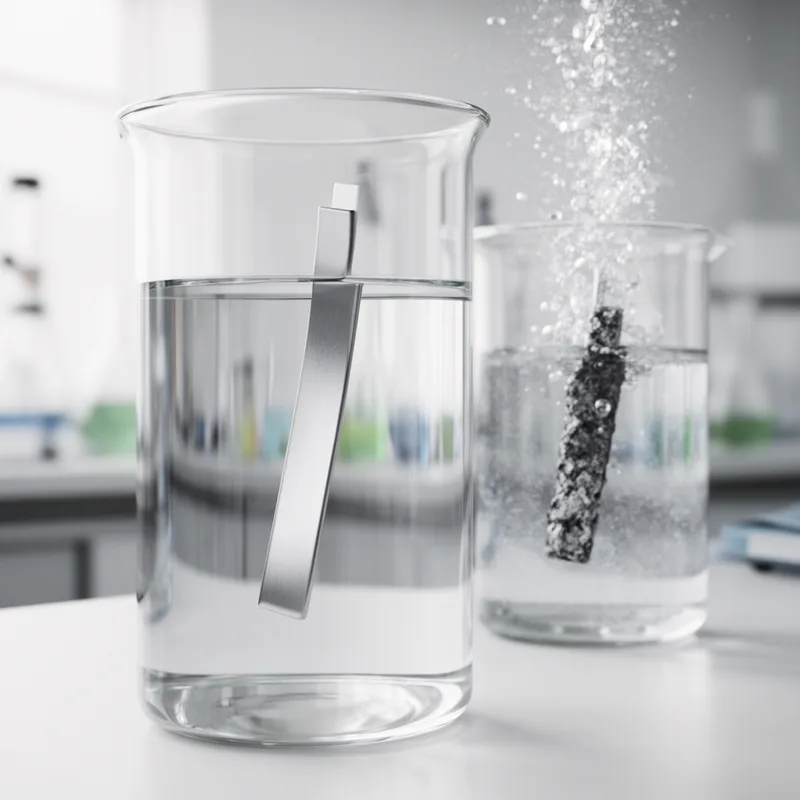
unreactive
- adjective
- /ˌʌnriˈæktɪv/
- Specialized
- In laboratory tests, the unreactive plastic did not show any signs of melting or degrading when exposed to heat.
- unreactive form
Loading YouTube…
Watch on YouTubeSo the helium, remember, is incredibly inert, unreactive.
- So the helium, remember, is incredibly inert, unreactive.
Examples
-
The chemical compound was found to be unreactive, meaning it remained stable even under extreme conditions.
-
Helium, neon, argon are very unreactive because they have this closed shell, this inner gas configuration.
-
However, N2 is an "unreactive" form of nitrogen that plants and animals cannot access directly.
Academic text (2003) -
Obviously, these unreactive particles do not contribute to the mechanical strength of the resulting binders.
Academic text (2018) -
Noble gases like helium and neon are often considered unreactive because they do not readily combine with other elements.
Synonyms

 14
5.9
14
5.9

Not joining or reacting with other chemicals
 4
5.2
4
5.2
Not reacting easily with other substances
 1
6.0
1
6.0
Not taking part in a chemical reaction
 1
4.6
1
4.6
A material that does not change when it touches another substance


 1
6.7
1
6.7
Not reacting with other substances
Not able to react easily under normal conditions
Antonyms

How Reactive

Surface Forms
Morphology
Etymology
Unreactive comes from un- 'not' and react 'to act back', the same root as reaction, and is often used in chemistry. So an unreactive substance does not easily combine with or change into other substances.