
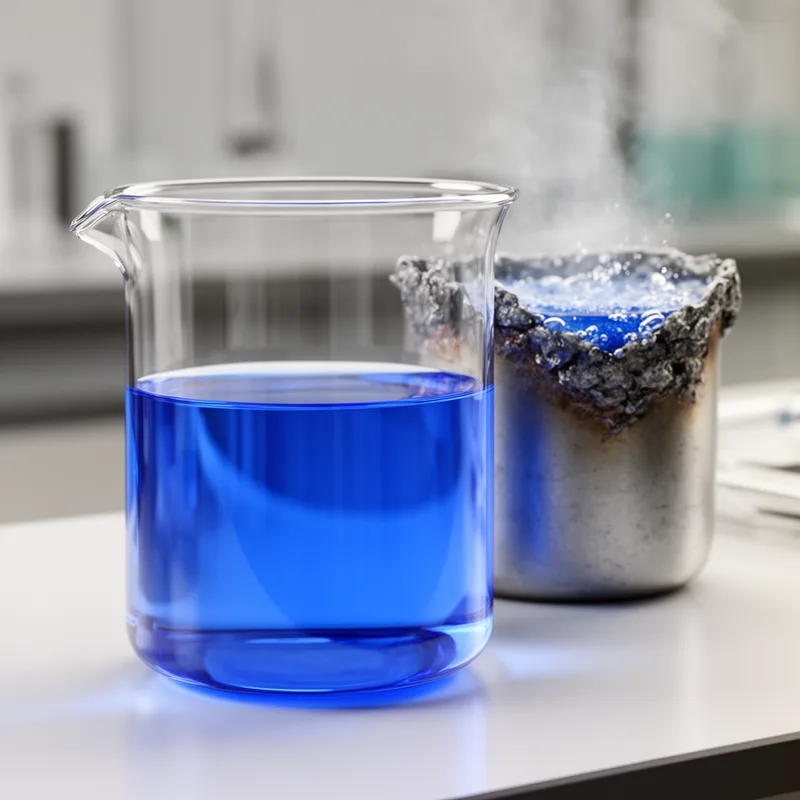
nonreactive
 1
4.6
1
4.6

- adjective
- /ˌnɒnriˈæktɪv/
- Specialized
- To ensure the flavors develop properly, always use a nonreactive bowl for marinating your ingredients.
- nonreactive saucepan
- nonreactive bowl
- nonreactive dish
Examples
-
However, CFCs are not water soluble and are very nonreactive (this is the wonderful property that makes them nontoxic).
Academic text (1998) -
"I thought this was supposed to be a pretty nonreactive environment."
Fiction book (2002) -
The nonreactive nitrogen and carbon dioxide gases effectively dilute the incoming hydrogen fuel stream, so a larger fuel cell is needed to produce the same power.
Academic text (2000) -
Combine the tomatoes, onions, peppers, apples, garlic, vinegar, and salt in a large, nonreactive pot and bring to a boil.
Blog text (5) -
"Once released from an amalgam-filled tooth, mercury in the form of nonreactive mercury vapor goes from your mouth to your lungs, then to your brain via your bloodstream."
Blog text (18) -
Manufactured of medical-grade radiopaque silicone, it is flexible and nonreactive, compressible, and conforms to the inner diameter of the outflow tract.
Academic text (2002) -
For the best taste, prepare the salad in a nonreactive container to avoid any unwanted chemical reactions.
-
When making pickles, it's important to choose a nonreactive pot so the vinegar doesn't react with the metal.
Synonyms
 20
4.7
20
4.7
Not reacting to touch, sound, or commands
 14
5.9
14
5.9
Not joining or reacting with other chemicals
 5
4.5
5
4.5
Not affected by things like touch, heat, or light
 3
3.9
3
3.9
Not changed or harmed by something and not showing strong feeling
 1
6.0
1
6.0
Not taking part in a chemical reaction


 1
6.7
1
6.7
Not reacting with other substances

Does not easily take part in a chemical change, like noble gases
Does not cause any effect in the body, for example in medicines

Not affecting or reacting with each other

Not improving after treatment or medicine

Not likely to be harmed or affected by something
Not likely to be harmed or changed by something
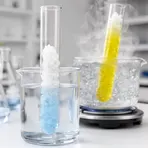
Not able to react easily under normal conditions
Antonyms
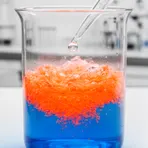
How Reactive

Surface Forms
Morphology
Etymology
Nonreactive is made of non- 'not' and react 'to respond' or 'act back'. So it describes materials that do not change or take part in a chemical reaction when they meet other substances.