
reactive
 5
5.1
5
5.1

- adjective
- /riˈæktɪv/
- Specialized
- Agricultural and urban runoff is also an important contributor to the loading of reactive nitrogen in some estuaries.
- reactive nitrogen
- reactive oxygen
- reactive protein
Loading YouTube…
Watch on YouTubeOK, so we'll define what reactive oxygen species are.
- OK, so we'll define what reactive oxygen species are.
- Carbon is highly reactive with other elements, so that's good.
- They're producing these little chemicals that are that are reactive, right?
- Now I've placed each of these of metals, so that's the least reactive.
- So you have a storage device which is stable and you have a protein which are reactive and carry out the chemistry of life.
- And antioxidants are the compounds that reduce those reactive oxygen species.
- But the, whereas the, the material from Earth is more rounded, it's it's less reactive, it has less surface areas, less sharp.
Examples
-
The largest proportion of reactive nitrogen in the environment comes from agriculture.
Academic text (2012) -
By contrast, food dominates the sources of reactive nitrogen in the populated coastal zone.
Academic text (2003) -
Food production leaves a legacy of reactive nitrogen in the regions where it is produced.
Academic text (2003) -
The more the bonds are bent out of the plane, the more reactive a site would be.
Academic text (1996) -
And we have a very reactive volatile environment that we need to actually start working to clean up.
-
Carbon is highly reactive with other elements, so that's good.
-
All of these characteristics work together to make peat a very reactive and effective filter.
Academic text (2001) -
The concentrations of certain gases, such as these highly reactive chlorine compounds, have a critical effect on ozone levels.
Academic text (1998) -
And that's the precursor to more reactive oxygen species like hydroxyl radical and peroxy nitrate and things like that.
-
Carbon is highly reactive with other elements, easily forming compounds.
Synonyms
 50
7.0
50
7.0
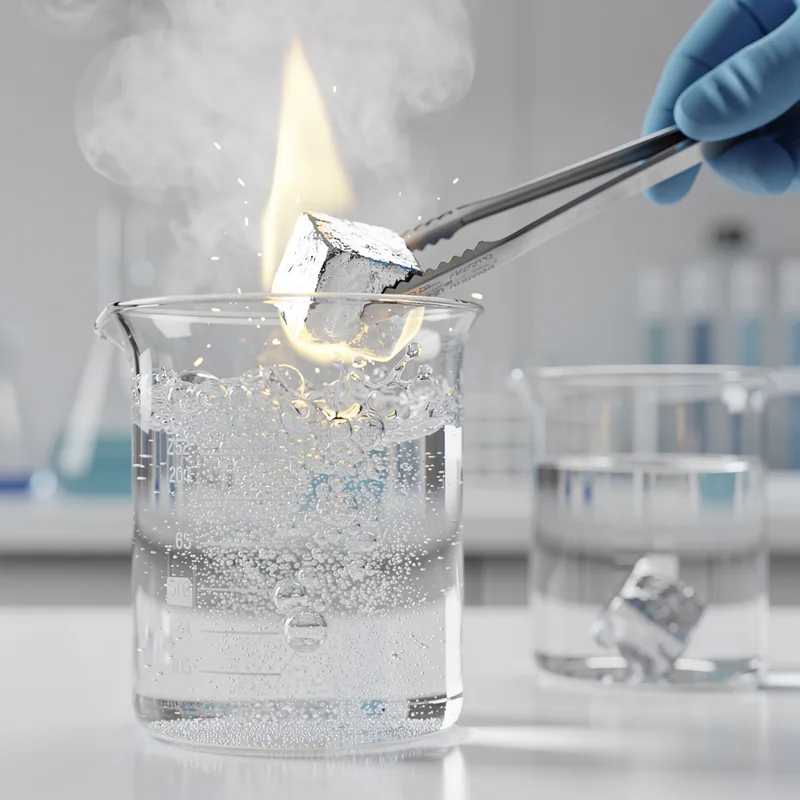
Likely to react or change quickly and sometimes dangerously
Very likely to react quickly and dangerously with substances like water
Antonyms

Compounds
- Specialized

 1
4.3
1
4.3
A protein made by the liver that rises in the blood as a sign of infection or inflammation

- Specialized
A period of deep sadness and low energy after a stressful life event

- Archaic
A sudden mental illness that starts after strong stress and lasts a short time
How Reactive

Surface Forms
Morphology
Etymology
Reactive comes from the parts re- 'again' and act 'to do', the same root you see in action and actor. So a reactive chemical 'acts back' easily, which is why it changes or joins with other substances quickly.