

inert
 1
7.1
1
7.1

- noun
- /ɪˈnɜrt/
- Specialized
- The chemist chose an inert material to prevent unwanted reactions during the experiment.
Examples
-
Teflon, a marvelously inert substance, will make ideal feet for this.
-
So here's the question, do you need the inert substance to do the healing?
-
Aluminum sulfate has less than 0.1 percent inerts by weight, while iron salts normally vary from 0.1 to 0.75 percent, and lime typically has 5 to 10 percent.
Academic text (1998) -
Features a complete line of vacuum fluids for mechanical and diffusion vacuum pumps, including a line of cost-effective silicone diffusion pump fluids and synthetic inert products.
Academic text (1997) -
In many chemical processes, an inert gas is used to create a stable environment.
-
The use of an inert substance is crucial in ensuring accurate test results for the new medication.
Synonyms
 20
6.8
20
6.8
A material that slows or stops burning and other unwanted reactions
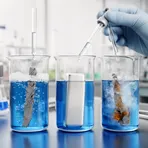
A substance that does not react with other chemicals
Antonyms


Compounds

How Reactive

Surface Forms
Etymology
The noun inert comes from Latin in- 'not' plus ars 'skill' or 'power', so it literally means 'not active'. In science, an inert is a substance used because it will not react with others.