

incapacity
 9
5.4
9
5.4

- noun
- /ˌɪn.kəˈpæs.ɪ.ti/
- His accident led to a long-term incapacity that prevented him from walking without assistance.
- mental incapacity
- physical incapacity
- case of incapacity
Loading YouTube…
Watch on YouTubeThis introduces a kind of incapacity to act.
- This introduces a kind of incapacity to act.
- The reason they do this has nothing to do with you and it has everything to do with the narcissistic incapacity for intimacy.
- But when it didn't, which it obviously always can't, The heaviness, the darkness, the rage, the incapacity to cope.
- And so those can be incredibly, incredibly important for during your life during periods of incapacity.
- You know, quiet and title to remove the restriction, but absent death or incapacity, the the Grand Tour is the one you've got to go to.
Examples
-
How does an older person protect his or her assets in the event of mental incapacity?
Academic text (1998) -
Medical evidence must be sought if incapacity of a medical nature is being asserted.
Blog text (31) -
This introduces a kind of incapacity to act.
-
I think the president would dispute that any incapacity exists.
-
You said a presidential incapacity could be declared by the majority of the Cabinet.
-
Instead, what the future holds is more and more pain, suffering, incapacity, and frustration.
-
Suppose you've got some disease that causes you a great deal of incapacity and a great deal of pain.
-
I have the signatures of the majority of the Cabinet attesting to the president's incapacity.
-
It creates an incapacity to discharge the office under the 25th Amendment.
-
The processes of aging make some elderly people more vulnerable to certain physical and mental incapacities.
Academic text (1998)
Synonyms
 398
3.5
398
3.5
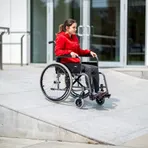
A physical or mental condition that limits a person's movements, senses and daily activities
 177
2.8
177
2.8
Not able to do something you need to do
 133
1.4
133
1.4
Lack of physical or mental strength that makes someone less able to act
 81
5.4
81
5.4
Loss of movement and feeling in all or part of the body
 62
6.1
62
6.1
A loss of ability caused by damage or other problems
 10
7.4
10
7.4
A lack of power to make things happen
 9
5.8
9
5.8
A feeling of being unable to control or change what happens
 8
6.6
8
6.6
A weakness that makes it hard to do everyday things, often after illness or old age
 4
6.3
4
6.3
A state of no movement or not being able to move
 4
7.9
4
7.9
A part of the body not working well enough to do its job
 3
6.8
3
6.8
Lack of ability to do a job or task well
 2
6.4
2
6.4
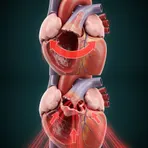
A body part not doing its normal job properly
 1
8.1
1
8.1
Being unable to do normal activities because of illness or injury
 1
6.0
1
6.0
Not being able to do something because you lack the ability
 1
7.9
1
7.9
Lack of power to change things
 1
7.5
1
7.5
A state of not moving or not reacting to change

 1
4.8
1
4.8
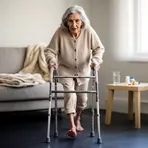
A state of being physically weak because of age or illness
 1
8.2
1
8.2
Weakness in the body that follows illness or old age
 1
8.1
1
8.1
A serious loss of strength and energy that makes someone weak
A lack of ability to do something

A condition in which someone cannot do normal daily activities because of a physical or mental problem

A feeling of being unable to change things

Lack of ability to do a task or job well

Not able or qualified to do a job

Not being able to move, especially in living things
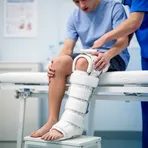
The state of being unable to move part of the body because of injury or being held still
Antonyms



How Able

Surface Forms
Morphology
Etymology
The word incapacity is made from in- meaning 'not' and capacity meaning 'ability' or 'room to hold', the same part you see in capable. So incapacity means 'not having the ability' to do something.