

inertness
 1
7.5
1
7.5

- noun
- /ɪˈnɜrt.nəs/
- The scientist noted the inertness of the gas under low temperatures, which made it unreactive.
- chemical inertness
Examples
-
The superior lubricity, inertness, and temperature resistance of Krytox(R) suit it for automotive, aerospace, appliance, chemical processing, and other industries.
Academic text (1996) -
He had a personal fortune of over five billion dollars, but his wealth had the inertness of land.
Fiction book (1990) -
Syria's inertness is extracting a heavier toll on its citizens than ever before.
Academic text (2008) -
In keeping with the impact of Romanticism on her first poetry, she characterizes both the poet and poetry as somnambulant inertness.
Academic text (2001) -
The inertness of the statue made it a permanent fixture in the town square.
-
After the accident, his body lay in a state of inertness, unable to move.
Synonyms
 14
6.5
14
6.5
A habit of not acting or making changes when action is needed
 12
3.5
12
3.5
A period of time with no movement or action
 4
6.3
4
6.3
A state of no movement or not being able to move

A state in which something does not move or change

Being impossible to move or change

A time when a person or thing is completely still

Not being able to move, especially in living things
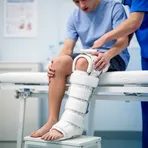
The state of being unable to move part of the body because of injury or being held still

A period of not doing anything or moving
Antonyms

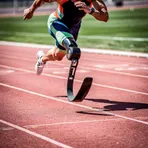
How Inactive

Surface Forms
Morphology
Etymology
Inertness comes from the Latin prefix in- meaning 'not' and the same root as inertia, which means 'a lack of movement or change'. So inertness is the opposite of being active and describes something that cannot move or act.