

feebleness


 1
4.8
1
4.8
- noun
- /ˈfiːblnəs/
- A better head her glorious body fits... than this that shakes for age and feebleness.
Examples
-
In the latter two cases, elites within the old ruling order took advantage of the extreme feebleness of the opposition to schedule early elections, control the registration of their electoral rivals, and limit their access to the media.
Academic text (1991) -
It may be doubted," wrote Chief Justice John Marshall, "whether any of the evils proceeding from the feebleness of the federal government contributed more to that great constitutional revolution which introduced the modern constitutional system than the deep and general conviction that commerce ought to be regulated by Congress."
Academic text (2002) -
Frank Pierce himself, on his third and most desperate night, partnered by the appallingly violent Tom, is so enraged by the feebleness of a weedy man who has called them because he has cut his wrists that he produces his own ironic sermon:
Academic text (2001) -
The patient's feebleness made it difficult for him to get out of bed after surgery.
-
Her feebleness prevented her from participating in the family hike this weekend.
-
As age took its toll, his feebleness became more apparent during daily activities.
Synonyms
 133
1.4
133
1.4
Lack of physical or mental strength that makes someone less able to act
 10
7.4
10
7.4
A lack of power to make things happen
 8
6.6
8
6.6
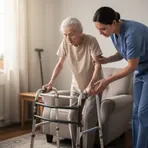
A weakness that makes it hard to do everyday things, often after illness or old age
 3
5.0
3
5.0
A state of being physically weak often from old age or illness
 1
7.9
1
7.9
Lack of power to change things
 1
8.2
1
8.2
Weakness in the body that follows illness or old age
 1
9.1
1
9.1
A slow loss of strength in the body or mind
 1
8.1
1
8.1
A serious loss of strength and energy that makes someone weak
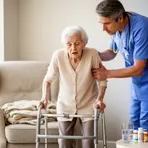
Weak health that often appears in older people

A state of being weak, tired and no longer effective

A lack of energy and strength that often follows an illness

A small amount of strength or force

A feeling of being unable to change things
Antonyms
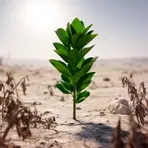
How Strong

Surface Forms
Morphology
Etymology
Feebleness comes from feeble 'weak', and you can imagine someone old or ill who has little energy in their body. So feebleness describes the state of being physically weak, often because of age or sickness.