

incapacitation
 1
8.1
1
8.1

- noun
- /ˌɪnkəpəˈsɪteɪʃən/
- It was related to the incapacitation of the sociopsychological controls that had supported civilization ever since its beginnings.
Examples
-
This term describes the reduction or incapacitation (loss) of a person's ability.
Academic text (2001) -
After three hours, many of the mice exhibit signs of stress and/or incapacitation.
-
Under the terms of the 25th Amendment, Nance has been acting with full authority... ...since Bill Mitchell's incapacitation.
-
Before his incapacitation, he’d have reveled in whatever attention.
Fiction book (1992) -
His incapacitation after the accident left him unable to perform his job duties.
-
The doctor noted that her incapacitation was due to the severe effects of the medication.
-
After her incapacitation from the illness, she needed assistance with basic tasks.
Synonyms
 398
3.5
398
3.5
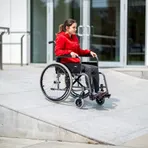
A physical or mental condition that limits a person's movements, senses and daily activities
 177
2.8
177
2.8
Not able to do something you need to do
 81
5.4
81
5.4
Loss of movement and feeling in all or part of the body
 9
5.4
9
5.4
Not able to do things because your body or mind does not work well
 8
6.6
8
6.6
A weakness that makes it hard to do everyday things, often after illness or old age
 1
6.0
1
6.0
Not being able to do something because you lack the ability


 1
8.1
1
8.1
A serious loss of strength and energy that makes someone weak
 1
8.2
1
8.2
Weakness in the body that follows illness or old age

A condition in which someone cannot do normal daily activities because of a physical or mental problem

A state when action, services, or decisions stop because of a problem
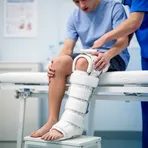
The state of being unable to move part of the body because of injury or being held still
Antonyms


How Incapacitated
81
5.4
 4
6.3
398
3.5
1
8.1
62
6.1
4
6.3
398
3.5
1
8.1
62
6.1
Surface Forms
Morphology
incapacitation = incapacitate (semi-transparent) = in + capacit + ate + ion
The noun is a regular result or state nominalization of 'incapacitate' and keeps the core meaning of being made unable to function.
Etymology
Incapacitation comes from in- 'not' and the same root as capable and capacity, which mean 'able' or 'power to act'. So when illness or injury causes incapacitation, it is the state of being 'not able' to work or act normally.