
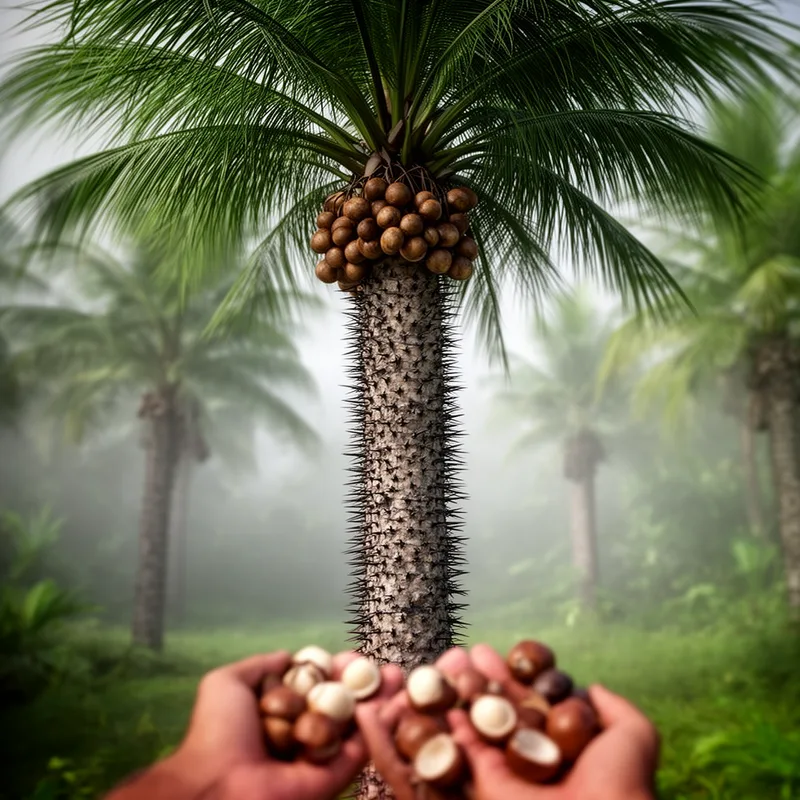
gri-gri
- noun
- US
- The gri-gri palm thrives in the humid forests of the Caribbean.
Examples
-
The swollen trunk of the gri-gri makes it easy to recognize among other palms.
-
Local villagers gather the nuts from the gri-gri tree to eat or sell.
-
The gri-gri tree is native to the Caribbean.
-
Many gri-gris can be found in tropical forests.
-
Local villagers gather the nuts from the gri-gri tree to eat or sell.
-
The gri-gri palm thrives in the humid forests of the Caribbean.
-
The swollen trunk of the gri-gri makes it easy to recognize among other palms.
Synonyms

A tropical palm with a thick spiny trunk and nuts you can eat

A tropical tree with a swollen spiny trunk and edible nuts
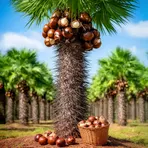
A tropical palm with a thick spiny trunk and edible nuts

A tropical palm tree with a spiny trunk and edible nuts

A tropical American palm with sharp spines on its trunk and fruit people can eat
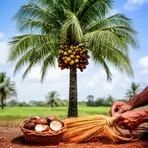
A tropical American palm tree with edible nuts and strong fiber for making materials
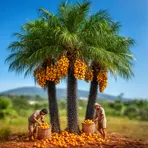
A group of tropical palm trees from Central and South America with spiny trunks and edible fruits
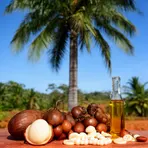
A tall palm from northern Brazil that makes hard nuts used for oil and carved like ivory

A tall palm tree from northern Brazil whose hard nuts produce oil and a white, ivory-like material

A tall palm from northern Brazil with hard nuts that give oil and a material like ivory for carving

A tall palm from northern Brazil with hard nuts that give oil and a material like ivory

A tropical palm tree whose large nuts make oil and vegetable ivory used for carving

A tall tropical palm tree with large nuts that give oil and a hard material like ivory

A tall palm tree from northern Brazil that has hard nuts with oil and a white core used like ivory
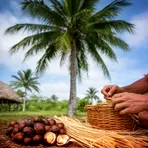
A tropical palm tree that produces edible nuts and strong fiber
Surface Forms
Etymology
Gri-gri comes from a local Caribbean name for the palm, where people often use a repeated sound to name plants and animals. A helpful way to remember it is that gri-gri refers to this tropical palm with a swollen trunk and round, edible nuts.

