

corrosive
 7
7.1
7
7.1

- adjective
- /kəˈroʊsɪv/
 :
mordaz
:
mordaz
- The author's corrosive wit highlighted the flaws in society, provoking thought and discussion.
- corrosive effect
- corrosive influence
- socially corrosive
We go after people's motives, which is, which is absolutely corrosive.
- We go after people's motives, which is, which is absolutely corrosive.
- But all of that, through the the corrosive critique of the Enlightenment, has been delegitimized.
- But I do think that we've slid from from scepticism to a kind of corrosive cynicism and that and that is problematic.
- And I do believe it takes a lot of courage to start questioning which stories are are generative and which are corrosive.
Examples
-
Her corrosive remarks about his work made everyone uncomfortable.
-
Critics often have a corrosive influence on public figures, undermining their confidence.
-
Again, this has had a corrosive effect on the authority of the Church.
Academic text (2010) -
Disrespect is so corrosive in a relationship.
-
And honesty, dishonesty is corrosive to the soul.
-
Witchcraft accusations have a corrosive effect on community solidarity and harmony.
Academic text (2004) -
One of the most corrosive and pervasive forms of malfeasance is the selling of official posts.
Academic text (2006) -
However, the tipping point is this administration's corrosive assault on religious liberty.
Blog text (8) -
Deception is shown to be ubiquitous in our culture and is defined as a corrosive cultural element in need of correction.
Academic text (2004) -
High caseloads and low morale are corrosive elements attacking children's social work nationally.
Academic text (2010)
Synonyms
 99
4.0
99
4.0
Using words that say the opposite of what you mean to mock or hurt someone
 19
7.7
19
7.7
Very strong, harsh criticism that hurts or shocks people
 18
6.5
18
6.5
Showing little concern for other people's feelings
 10
9.9
10
9.9
Saying rude and untrue things to hurt someone's reputation
 9
7.4
9
7.4
Being very sharp and unkind in speech or writing
 8
8.2
8
8.2
Speech or writing that is harsh and likely to offend people
 2
8.0
2
8.0
Too quick to find small faults and judge people or things
 2
9.9
2
9.9
Using very angry and insulting words to attack someone
 1
8.7
1
8.7
Expressing sharp, often ironic criticism that can feel harsh


 1
7.0
1
7.0
Said in a sharp, hurtful way to criticize someone
 1
6.7
1
6.7
A sharp, biting remark that hurts or criticizes
 1
9.9
1
9.9
Having a sharp, unfriendly tone that criticizes others

Very critical and hurtful in speech or writing

Harsh or hurtful in a way that makes someone feel upset

Being arrogantly rude and openly disrespectful to other people
Antonyms


Compounds
How Harsh

Surface Forms
Morphology
Etymology
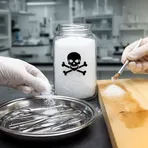
The word corrosive comes from the Latin corrodere with rodere 'to gnaw', the same idea behind the familiar word erode. That's why corrosive remarks are like words that 'eat away' at a person's confidence.