

corrosive
 14
6.6
14
6.6

- adjective
- /kəˈroʊsɪv/
- Specialized
- The pump can handle corrosive liquids up to 230 degrees Fahrenheit and pressures up to 115 psi.
- highly corrosive
- corrosive chemicals
- corrosive acid
Loading YouTube…
Watch on YouTubeWere it not for our atmosphere and our weather and other erosive corrosive forces, we would look just like the moon.
- Were it not for our atmosphere and our weather and other erosive corrosive forces, we would look just like the moon.
Examples
-
The Series 800 Industrial Vertical Immersion Sump Pump can handle water, corrosive chemicals, and hazardous liquids.
Academic text (1997) -
Corzan CPVC pipe is designed to meet the corrosive demands of industrial use.
Academic text (2001) -
The bad news is that the gas is corrosive and it's eating our suits.
-
Salt water is extremely corrosive.
-
But it also has a corrosive effect on any attachment to the human world that we know.
Academic text (2003) -
You know, a high PH level can cause corrosive damage on steel piping...
-
Produced at high temperatures and pressures, it is both highly corrosive and erosive.
Academic text (2005) -
Oxygen is a corrosive gas, in the same family as fluorine and chlorine.
-
Following ingestion of a corrosive substance, laryngitis, hoarseness, or stridor indicate laryngeal injury and impending airway compromise.
Academic text (2007) -
The strong acid is corrosive and should be handled with extreme caution to avoid damage to surfaces.
Synonyms
 8
7.6
8
7.6
Able to burn or damage skin
 1
6.4
1
6.4
A thing that slowly wears something away by wind, water, or chemicals
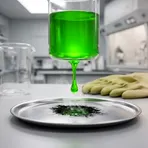
Able to eat away materials by chemical action like a strong acid
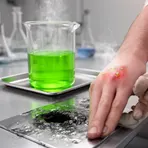
A very strong acid that can burn skin and metal
Compounds
How Corrosive

Surface Forms
Morphology
Etymology
The word corrosive comes from the Latin verb corrodere, built from com- 'together' and rodere 'to gnaw'. So a corrosive substance 'eats away' or 'gnaws' at materials, which is why acids can damage metal and skin.