

mordant
- adjective
- /ˈmɔrdənt/
- Specialized
- The mordant acid corroded the metal surface within a few hours.
Examples
-
Always wear protective gloves when handling mordant chemicals in the laboratory.
-
The statue was damaged by years of exposure to mordant substances in acid rain.
-
The mordant acid quickly corroded the metal surface.
-
A mordant solution is used in various industrial processes.
-
Always wear protective gloves when handling mordant chemicals in the laboratory.
-
The mordant acid corroded the metal surface within a few hours.
-
The statue was damaged by years of exposure to mordant substances in acid rain.
Synonyms

 14
6.6
14
6.6

Able to eat away materials by a chemical reaction, for example strong acids
 8
7.6
8
7.6
Able to burn or damage skin
 1
6.4
1
6.4
A thing that slowly wears something away by wind, water, or chemicals
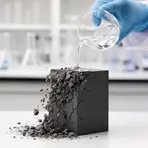

 1
8.7
1
8.7
Causing things to break into smaller parts
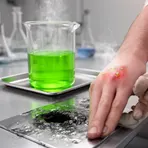
A very strong acid that can burn skin and metal

Causing materials to break down into smaller parts
Antonyms


How Corrosive
- Specialized

- Specialized
- Specialized
14
6.6
- Specialized
Surface Forms
Morphology
mordant = mord + ant
Although analyzable as mord + -ant historically ('to bite' + adjectival suffix), 'mord' is not a productive modern English base, so learners cannot reliably derive the chemical meaning from English components.
Etymology
Mordant comes from the Latin word mordere, which means 'to bite', so you can think of a strong acid as something that 'bites' or eats away at metal or skin; that's why mordant can mean able to destroy by chemical action.