
to comb out

to comb out

5.4
To remove unwanted parts from something after checking it carefully
  • phrasal verb
  • /koʊm aʊt/
translation icon : eliminar
  • During the audit, the agency combed out outdated procedures to improve efficiency.

Examples

  • The team spent hours combing out unnecessary regulations from the policy.

  • Don't forget to comb out the excess threads!

  • The editors carefully combed out errors from the manuscript before publication.

  • She combs out the impurities from the mixture.

  • After washing her dog, she took a moment to comb out the tangles from its fur.

  • He carefully combed out the sand and debris from the old rug to restore its original beauty.

  • The gardener combed out the dead leaves and weeds from the flower beds to promote healthier growth.

Synonyms

to pick
vsto comb out
241 1.4

To remove unwanted parts like seeds or stems

removes unwanted parts after careful examination rather than only removing small bits manually
to take it away
vsto comb out
136 3.2

To remove something unwanted from a place

removes unwanted parts after careful examination rather than simply clearing items away
to cut out
vsto comb out
77 3.2

To remove a shape from paper or cloth using scissors

removes unwanted parts after careful examination rather than simply removing material without selection
to weed out
vsto comb out
37 3.8

To remove unwanted people or things from a group

removes unwanted parts after careful examination rather than mainly purging lower quality members
to strip away
vsto comb out
27 4.0

Remove an outside layer or covering from something to show what is under it

removes unwanted parts after careful examination rather than slowly removing everything over time
to filter out
vsto comb out
20 3.8

To remove unwanted things from water, air, or lists by letting the rest pass

removes unwanted parts after careful examination rather than simply using a barrier to separate
to draw out
vsto comb out
18 3.8

Remove something from where it is, for example a nail or a secret

removes unwanted parts after careful examination rather than extracting items or information broadly
to sweep away
vsto comb out
16 3.8

To get rid of something completely so it no longer exists

removes unwanted parts after careful examination rather than erasing everything without selection
to strip
vsto comb out
  • Specialized
15 6.3

Remove a substance or part from material like soil

removes unwanted parts after careful examination rather than by industrial chemical processing
to excise
vsto comb out
  • Formal
14 7.2

To cut out part of a body or text

removes unwanted parts after careful examination rather than cutting out complete sections
to clear away
vsto comb out
10 1.8

To take things away from a place to make it tidy

removes unwanted parts after careful examination rather than merely tidying or hiding them
to screen out
vsto comb out
9 4.3

To check and remove people or things that are not wanted
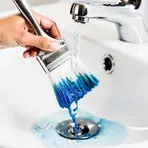
removes unwanted parts after careful examination rather than only excluding by checks
to wash out
vsto comb out
9 2.0

Clean something using water to remove dirt or stains

removes unwanted parts after careful examination rather than by cleaning or rinsing
to separate out
vsto comb out
  • Specialized
7 3.7

Remove one part from a mixture using a filter or another method

removes unwanted parts after careful examination rather than simply isolating mixture components
to scoop out
vsto comb out
7 3.3

Remove the inside of something with a spoon or small tool so it becomes hollow

removes unwanted parts after careful examination rather than removing whole interiors with a tool
to pick over
vsto comb out
2 3.6

To look through items carefully to choose the best or remove bad ones

removes unwanted parts after careful examination rather than only selecting the best items
to prune
vsto comb out
2 4.2

To remove things you do not need to make something smaller or work better

removes unwanted parts after careful examination rather than mainly to improve efficiency
to sweep out
vsto comb out
1 2.2

To remove dirt or leaves from a place using a broom
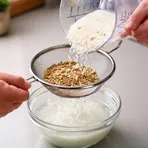
removes unwanted parts after careful examination rather than by broad quick clearing
to sieve out
vsto comb out
1 5.3

Remove unwanted bits from food or material by passing them through a screen

removes unwanted parts after careful examination rather than using mechanical filtering
to unclutter
vsto comb out
1 4.1

To remove things you do not need to make a place tidy and easier to use

removes unwanted parts after careful examination rather than just tidying a place
to prefilter
vsto comb out
  • Specialized
6.2

To remove unwanted items from data, air, or water before the main cleaning step
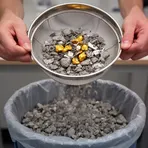
removes unwanted parts after careful examination rather than only doing an initial screening step
to filter out the dross
vsto comb out
  • Informal
7.2

To remove unwanted things so only useful ones remain

removes unwanted parts after careful examination rather than focusing solely on value retention

Antonyms

1.0

Include something extra to make something larger or better

60 3.0

To hold something inside so it does not escape

How Thorough

to purge
49 6.3
to comb out
5.4
to weed out
37 3.8
to screen
97 3.4
to review
  • Literature
252 2.9

Surface Forms

comb out infinitive
combed out past
combed out past participle
combing out present participle
combs out third person singular

Morphology

comb + out

The meaning 'to use a comb to untangle, smooth, or neaten hair' is directly derived from combining 'comb' (apply a comb to hair) with the particle 'out' (indicating thoroughness or removal), so a learner who knows those constituent senses can infer the MWE. Although the supplied verb sense of 'comb' (to search) differs, the grooming sense is common and the compositional pattern is cross‑linguistically straightforward, making this transparent to a B1 learner.

Etymology

Comb out may come from the image of using a comb to pull small bits or knots out of hair or a pile of papers. The comb goes through carefully and catches things you do not want, so the phrase means 'to remove unwanted elements'.