to clean (something) off

to clean (something) off

1 1.0
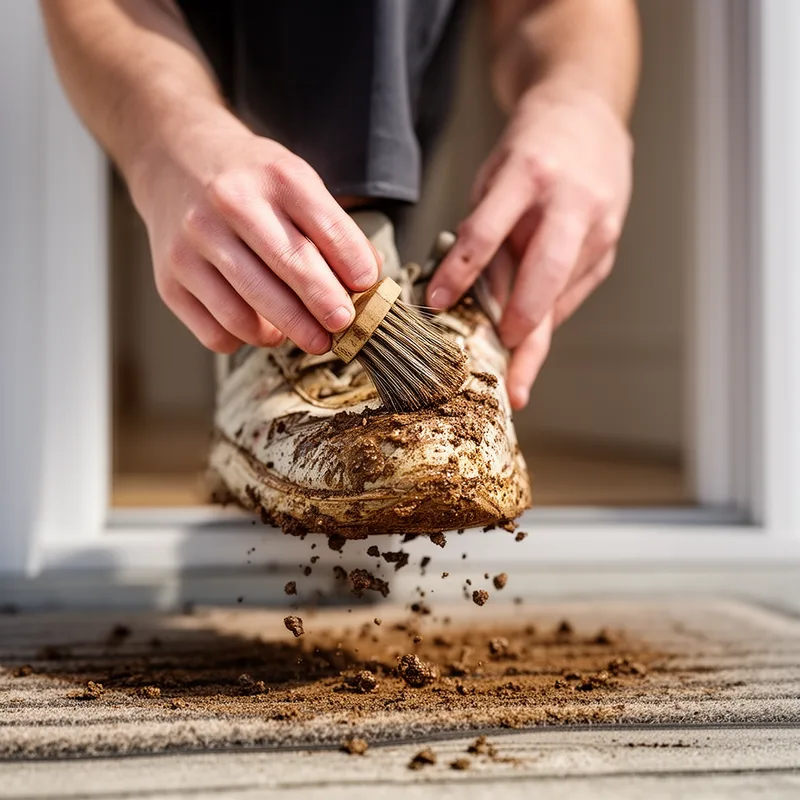
To remove dirt or mud from a surface
  • phrasal verb
  • /klin ɔf/
translation icon : limpiar
  • I need to clean off the dust from the shelves before guests arrive.

Examples

  • She used a cloth to clean off the spills on the kitchen counter.

  • Adam, clean off the table.

  • Hey, Vito, clean off the table for Jade.

  • He pulled off his soiled items and used their clean portions to wipe off the blood that remained on him, with the help of some water Nona conjured.

    Fiction book (1992)
  • After the storm, we had to clean off the leaves that covered the patio.

Synonyms

to clean
vsto clean (something) off
1.0

To remove dirt and stains

focuses specifically on removing dirt or grime from a surface
to clean up
vsto clean (something) off
433 1.0

To make a room or area free of dirt and tidy by removing mess

is about removing unwanted substances from a surface rather than overall tidiness
to sweep
vsto clean (something) off
227 1.0

To clean a floor or surface by brushing away dirt with a broom

covers removing unwanted substances by any method, not only brushing
to rinse
vsto clean (something) off
83 1.0

To wash something with water to remove soap or dirt

is the act of taking dirt off a surface, not limited to water use
to dust
vsto clean (something) off
66 1.0

To remove small dry particles from a surface by wiping or brushing

is broader, applying to all unwanted substances, not only fine particles
to mop
vsto clean (something) off
37 1.0

To clean a floor with a long handle and wet cloth

is a more general surface cleaning action not limited to that tool
to wash away
vsto clean (something) off
33 2.1

Water or another liquid carries something away

is about removing unwanted material from a surface, not necessarily by water flow
to cleanse
vsto clean (something) off
33 3.0

Remove dirt and germs from a person's body by washing

applies to removing dirt from surfaces, not specifically bodies
to wash off
vsto clean (something) off
31 1.0

To remove something from a surface by washing with water or soap

is the general act of taking unwanted substances off a surface
to wipe away
vsto clean (something) off
28 2.0

To remove something from a surface by moving a cloth over it, like tears or dirt

is the general removal of unwanted material from a surface
to strip away
vsto clean (something) off
27 4.0

Remove an outside layer or covering from something to show what is under it

is focused on taking dirt off a surface, not gradual elimination in general
to wipe off
vsto clean (something) off
20 1.0

Remove dirt or marks from a surface by rubbing with a cloth

focuses on removing substances specifically from a surface rather than general tidying
to sweep away
vsto clean (something) off
16 3.8

To get rid of something completely so it no longer exists

focuses on taking dirt off a surface rather than total elimination in general
to rinse off
vsto clean (something) off
10 1.6

To wash something with water to remove soap or dirt

covers removing unwanted substances without implying a final water rinse
to clear away
vsto clean (something) off
10 1.8

To take things away from a place to make it tidy

is specific to removing dirt or grime from a surface rather than general tidying
to wash out
vsto clean (something) off
9 2.0

Clean something using water to remove dirt or stains

is about taking unwanted material off a surface rather than deep washing
to wipe up
vsto clean (something) off
8 1.8

To clean a surface using a cloth or towel to remove a spill

includes removing unwanted substances more broadly, not only spills
to clear off
vsto clean (something) off
8 3.0

Remove things from a surface to make it empty or clean

focuses on taking unwanted substances off a surface rather than clearing objects
to rub off
vsto clean (something) off
5 3.4

Come off a surface when something moves against it

describes intentional removal of unwanted material from a surface
to mop up
vsto clean (something) off
5 2.6

To remove liquid or dirt from a floor with a cloth

covers removing unwanted surface substances without specifying tools
to file off
vsto clean (something) off
3 5.2

To rub a surface with a small rough tool to remove something

removes unwanted surface substances without needing abrasive metal work
to scrub off
vsto clean (something) off
1 2.5

To remove dirt or stains by rubbing hard with a brush

is similar but does not require heavy rubbing or forceful action
to remove the stain
vsto clean (something) off
1 2.9

Get rid of a mark on clothes or other things by cleaning

focuses on removing general dirt or unwanted substances, not only marks
to sweep out
vsto clean (something) off
1 2.2

To remove dirt or leaves from a place using a broom

is the basic removal of dirt or grime from a surface
to sand off
vsto clean (something) off
1 4.7

To remove the top layer of something by rubbing it with sandpaper

achieves removal of unwanted material without altering the surface layer
to sponge off
vsto clean (something) off
2.6

To rub a surface with a wet sponge to clean it

is broader and can use many methods beyond sponge and water
to scour out
vsto clean (something) off
4.6

To clean something very well by scrubbing or washing

is about taking dirt off surfaces without insisting on extreme effort
to unsmudge
vsto clean (something) off
7.0

Remove marks or stains from a surface so it looks clean

is broader, covering all unwanted substances not only smears
to brush down
vsto clean (something) off
2.7

To clean dust and dirt from something using quick movements

includes that action but also other ways to take substances off surfaces

How Clean

to scour
15 4.8
to clean (something) off
1 1.0
to scrub off
1 2.5
to wipe off
20 1.0

Surface Forms

clean infinitive
cleaned past
cleaned past participle
cleaning present participle
cleans third person singular

Morphology

clean + (something) + off

The meaning 'to remove dirt or an unwanted substance from a surface' is directly derivable from combining 'clean' (to wash or remove grime) with the particle 'off' which indicates removal/separation. This verb + particle composition is a common, compositional pattern in English (and mirrored in many languages), so a B1 learner who knows the constituents would readily infer the MWE meaning.

Etymology

Clean (something) off comes from the simple image of wiping or scraping dirt so it falls 'off' the surface, with the action moving the mess away from the object. That's why it means 'to remove dirt or an unwanted substance from a surface'.