

canadensis
 1
9.9
1
9.9

- noun
- /ˌkænəˈdɛn.sɪs/
- Specialized
- The species name of the eastern hemlock is Tsuga canadensis, reflecting its native habitat in Canada.
- Castor canadensis
- Tsuga canadensis
- Lynx canadensis
Examples
-
The red exudate from bloodroot (Sanguinaria canadensis), for instance, indicates that it should be applied to ailments of the blood.
Academic text (2018) -
The scientific name for the common beaver is Castor canadensis, indicating its origin from Canada.
-
Suga canadensis, the eastern hemlock, the Redwood of the east.
-
Once a prolific pest in Europe, E. canadensis has ultimately shown significant decline (Cook 1993).
Academic text (1996) -
Subsequent research revealed similar preservation in an even older (about 80-million-year-old) Brachylophosaurus canadensis.
Blog text (7) -
Goose (Branta canadensis minima).
Academic text (2005) -
One of these processes, dam building by North American beavers (Castor canadensis), generated discontinuities throughout precolonial river systems of northern North America.
Academic text (2010) -
Jarrell, R. A., and Yves Gingras. "Building Canadian Science." Scientia Canadensis 15, no. 2 (1991): 1-17.
Academic text (2016) -
Whatever the reason for its decline, the case of E. canadensis indicates that exclusive vegetative reproduction in water plants may be insufficient to facilitate long-term adaptation to varying environmental conditions, particularly under dynamic selective regimes.
Academic text (1996) -
For instance, in Tennessee, an estimated 0.8-2 million ha of soybean crops are infested with glyphosate-resistant horseweed (C. canadensis) (Heap 2011).
Academic text (2012)
Compounds

- Specialized
A small North American bush that loses its leaves in winter with bright red autumn leaves and red berries

- Specialized
A large North American wild goose with grey-brown feathers and a loud call
- Specialized
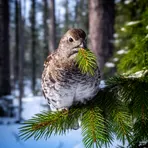
A North American bird that lives in spruce forests and eats needles
- Specialized
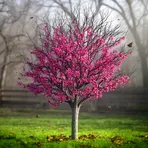
A small tree from eastern North America that loses its leaves in winter and has pink flowers in spring
- Specialized
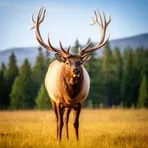
A large North American deer whose males have big branched antlers

- Specialized
A common weed with narrow leaves and small yellow-green flowers that grows along roads and fields
- Specialized
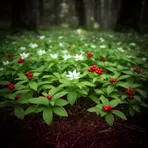
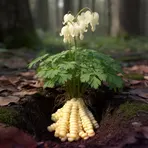
A woodland plant with pale cream flowers and thick roots shaped like corn kernels
- Specialized
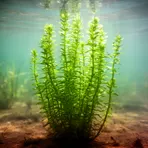
A water plant from North America with long green stems that grows in ponds

- Specialized
A tall wild grass from North America with bristly spikes that grows in prairies and open woods

- Specialized
A tall weed from North America that lives for one year and has narrow leaves and small yellow flower heads

- Specialized
A North American forest plant with white flowers that blooms in early summer

- Specialized
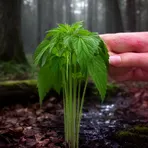
A wildflower from eastern North America with red and yellow flowers that have long spurs

- Specialized
A plant with stinging hairs that grows in moist shady woods in eastern North America

- Specialized
A North American plant with clusters of blue-violet flowers, also called blue toadflax

- Specialized
A North American otter that lives in rivers and lakes and is often found in groups
- Specialized
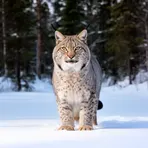
A wild cat called the Canada lynx that lives in northern North America

- Specialized
A woodland plant with a thick yellow root used in traditional medicine
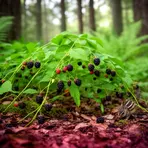
- Specialized
A low bush that makes small edible dark berries and has stems that trail on the ground

- Specialized
A wild sheep with large curved horns that lives in the mountains of western North America

- Specialized
A small gray bird found in northern forests that takes food from campsites

- Specialized
A small jay with a white head that lives in Rocky Mountain forests
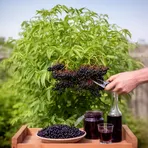
- Specialized
A North American bush that makes dark purple berries used to make wine and jam
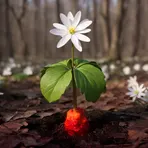
- Specialized
A woodland plant with a red root, a single lobed leaf, and a white spring flower

- Specialized
A small bird with blue-grey back and red breast that lives in northern pine forests

- Specialized
A tall plant with many small yellow flowers that often grows wild and spreads quickly

- Specialized
A tall wild flower with white petals marked by purple streaks that grows in North American woods
Surface Forms
Etymology
Canadensis comes from Latin and means 'from Canada', with the ending -ensis showing 'from' or 'of a place'. So when a plant or animal has canadensis in its scientific name, it tells you the species is originally from Canada.