
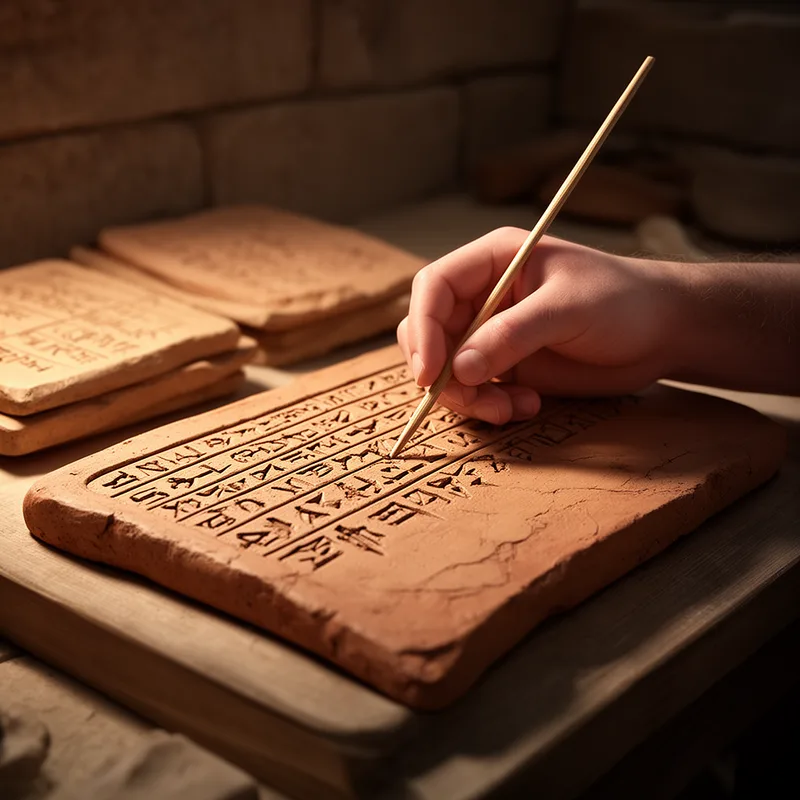
Babylonian
- noun
- /ˌbæbəˈloʊniən/
- Specialized
- The ancient tablets were inscribed with Babylonian cuneiform, showcasing a remarkable writing system.
Examples
-
Today we're doing the oldest number system in the world, Babylonian cuneiform numbers.
-
Now Itsuru is the Babylonian word for bird.
-
Historians study Babylonian inscriptions to better understand the culture and language of ancient Mesopotamia.
-
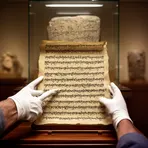
Artifacts from the museum included numerous Babylonian documents that reveal insights into trade and daily life.
Synonyms
 4
9.9
4
9.9

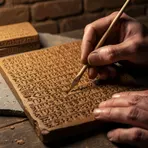
An ancient writing system that uses wedge-shaped marks on clay tablets
 1
9.9
1
9.9
An old alphabet of runes used by ancient people in northern Europe


 1
9.8
1
9.8
An ancient alphabet used to write Aramaic that influenced many later scripts
 1
6.3
1
6.3
An alphabet with 22 letters used to write Hebrew and some Jewish languages

A writing system that uses symbols for syllables and is used for Hindi and Sanskrit

A writing system used for the Tangut language with unique characters

A writing system from ancient Crete that no one can read

An old alphabet used in ancient Central Asia to write a local language

An old alphabet once used in Central Asia to write a Turkic language
A writing system from ancient Aramaic used to write the Uigur language

A set of letters used to write Hebrew and related languages like Yiddish and Ladino
Compounds
 1
9.7
1
9.7
A time when the king of Babylon took many Jewish people from Israel to Babylonia after 586 BC

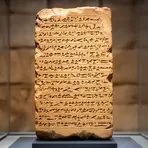
An ancient flat piece of clay from Babylon with wedge-shaped writing used to record laws, trade, or stories

A tree with long drooping branches and thin leaves often planted near ponds for shade
Surface Forms
Morphology
Etymology
Babylonian also names the way people wrote the Babylonian language because the city's name Bāb-ilu ('gate of God') came to stand for the people and their writing, so 'Babylonian' can mean the script used in that region.