
pianissimo


 1
7.5
1
7.5
- noun
- /ˌpiːəˈnɪsɪmoʊ/
- Specialized
- The breath of the flute and the pianissimo rhythm.
- pianissimo and forte
Examples
-
Compare how Butterfly and Norma rely on pianissimo passages to express different emotions.
Academic text (2003) -
Mann's final sentences of his account of Leverkuhn's last composition are quite strikingly like this: Zeitblom speaks of the Lamentations as slowly fading, "dying in a pianissimo fermata."
Academic text (1997) -
After the pianissimo, the canon resumes.
-
The clarinet is marked piano, and we are marked pianissimo.
-
It was right during the pianissimo when the viola could break your heart.
Fiction book (1993) -
However, the piece is mostly at a soft dynamic, and the musicians seemed to take that as a license to play rather loosely instead of maintaining the focus and tension that makes for an effective pianissimo.
Blog text (5) -
Fundamentals for band students include breathing exercises, long tones, lip slurs, range exercises, rudiments, pianissimo attacks, scales, and articulation exercises.
Academic text (2009) -
Furthermore, without some knowledge of the vocal requirements and what to listen for, most listeners will not understand that this famous aria requires a highly trained lyric soprano voice skilled in legato and pianissimo singing.
Academic text (2003) -
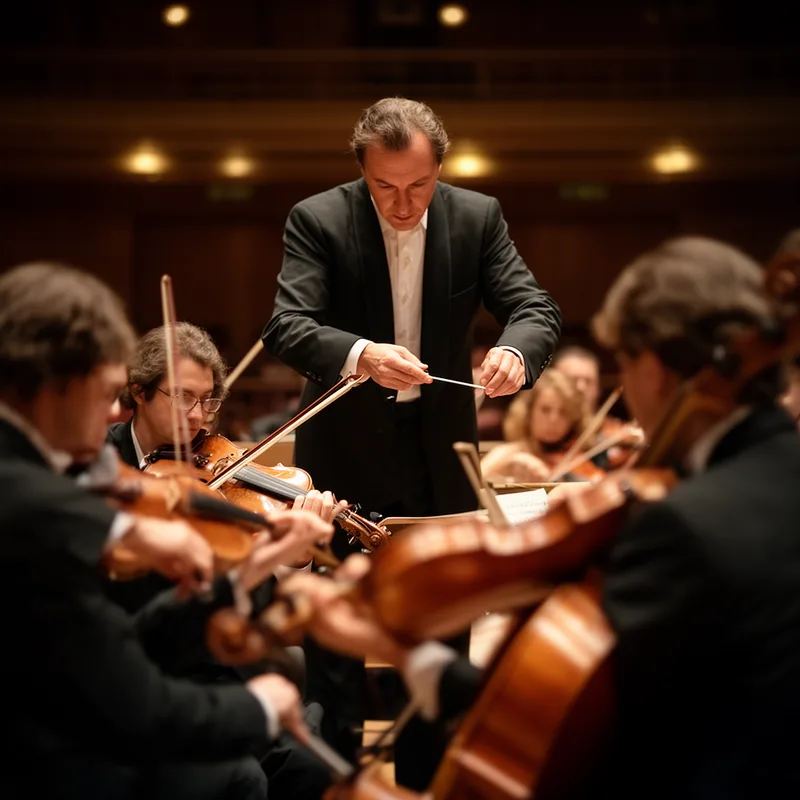
In the final movement, the orchestra played a pianissimo section that left the audience in awe.
-
The conductor signaled for the choir to sing the last phrase pianissimo, creating an ethereal atmosphere.
Synonyms
 24
3.1
24
3.1
A direction in music to play softly
 4
2.8
4
2.8
In music, played very quietly so the sound is almost not heard

Played or sung very softly in music
Antonyms

Compounds
How Loud
- Specialized
1
8.4

- Specialized
1
7.7
- Specialized
- Specialized
1
7.5
Surface Forms
Etymology
Pianissimo comes from Italian parts: piano meaning 'soft' and the ending -issimo meaning 'very'. As a direction in a score, pianissimo tells players that a whole passage should be played 'very softly'.