

pianissimo assai
- adjective
- /ˌpiːəˈnɪsɪmoʊ əˈsaɪ/
- The conductor instructed the orchestra to play pianissimo assai during the final movement.
Examples
-
Can you play this section pianissimo assai?
-
The composer marked the choir part as pianissimo assai for a delicate effect.
-
In the second movement, the strings enter pianissimo assai, barely audible to the audience.
-
The opening passage should be played pianissimo assai to create a sense of mystery.
-
In the second movement, the strings enter pianissimo assai, barely audible to the audience.
-
The composer marked the choir part as pianissimo assai for a delicate effect.
-
The opening passage should be played pianissimo assai to create a sense of mystery.
Synonyms

 178
1.0
178
1.0

In a quiet, low voice or at low volume
 4
2.8
4
2.8
In music, played very quietly so the sound is almost not heard

To play or sing very softly
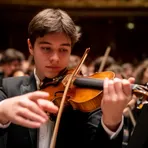
In music, softly so notes sound quiet
Antonyms

How Loud
- Specialized

- Specialized
- Specialized

 1
7.5
1
7.5
- Specialized
24
3.1
- Specialized
Surface Forms
Morphology
Both constituents directly contribute to the overall meaning: 'pianissimo' (very quiet) modified by 'assai' (very) yields an intensified degree — 'very, very soft'. Although these are Italian score markings used in a musical register, the compositional pattern (intensifier + degree adjective/adverb) is transparent and predictable, so a B1 learner who knows the two words can readily infer the meaning.
Etymology
Pianissimo assai comes from Italian words that mean extra soft: piano means 'soft', the ending -issimo makes it 'very', and assai also means 'very'. So, the phrase tells musicians to play 'very, very soft'.