
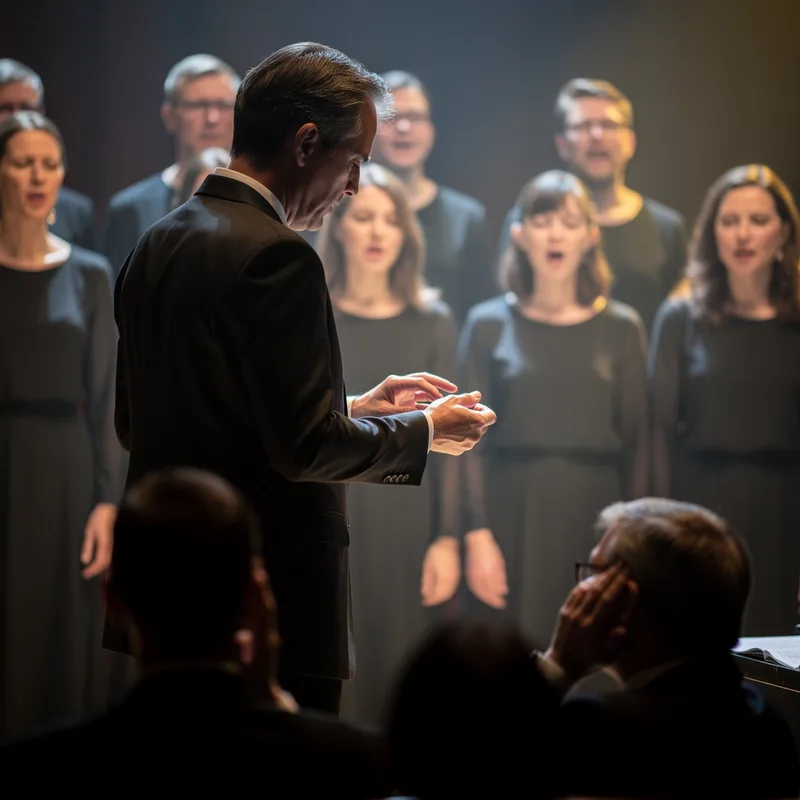
very softly
 4
2.8
4
2.8

- adverb
- "Sorry," Joel said very softly, his tone devoid of any emotion.
- said very softly
- speak very softly
- sing very softly
Loading YouTube…
Watch on YouTubeSo he said very softly, Oh, no, please.
- So he said very softly, Oh, no, please.
Examples
-
The lullaby was sung very softly to help the baby fall asleep.
-
I could tell because when he was home, Lucia sang very softly, if she sang at all.
Fiction book (1995) -
So he said very softly, Oh, no, please.
-
"Tell me, honey," he said very softly, "tell me."
Fiction book (1999) -
Then, very, very slowly and very, very softly, you say "Sorry."
Fiction book (1999) -
His voice was like a breath of wind, and he spoke very softly.
Fiction book (1995) -
After a moment, she said very softly, "My Lord awaits me."
Fiction book (1997) -
Just lean in and whisper your message to her very softly... so that only she can hear.
-
But she was sitting in a rocking chair, and very softly she began to glide back and forth.
Fiction book (1999) -
"I do wish it," she said very softly, blinking back tears as she drew herself up bravely, head high.
Fiction book (2001)
Synonyms
 517
1.0
517
1.0
In a quiet way that makes little or no noise
 178
1.0
178
1.0
In a quiet, low voice or at low volume
 47
2.7
47
2.7
In a way that is only slightly noticeable

Played or sung very softly in music

To play or sing very softly
Antonyms

How Loud

Surface Forms
Morphology
The meaning 'extremely quietly' is directly and transparently derived from combining 'very' (an intensifier) with 'softly' (quietly). This simple intensifier + adverb composition follows regular English grammar and is cross-linguistically common, so a B1 learner who knows both constituents will readily understand the MWE.
Etymology
Very softly pairs softly (a gentle touch or whisper) with very to make that touch even smaller. Think of a feather landing or a quiet whisper—this image shows why very softly means 'extremely quietly'.