

haploidic
- adjective
- /hæˈplɔɪdɪk/
- Specialized
- The term haploidic describes cells that contain only one set of chromosomes.
Examples
-
The haploidic phase in plants alternates with a diploidic sporophytic generation.
-
Gametes are haploidic cells produced during meiosis.
-
In many fungi, the vegetative body is haploidic for much of its life cycle.
-
Researchers observed that only haploidic spores could develop under these conditions.
-
In many fungi, the vegetative body is haploidic for much of its life cycle.
-
Researchers observed that only haploidic spores could develop under these conditions.
-
Gametes are haploidic cells produced during meiosis.
Synonyms
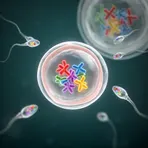
A cell that has one set of chromosomes, like a sperm or egg

A cell or organism with a single set of chromosomes instead of the usual two
Antonyms

How Many

Surface Forms
Morphology
Etymology
Haploidic comes from the Greek root hapl- meaning 'single', and it shares this root with the word haploid. So haploidic describes cells that have one 'single' set of chromosomes, like sperm and egg cells.

