
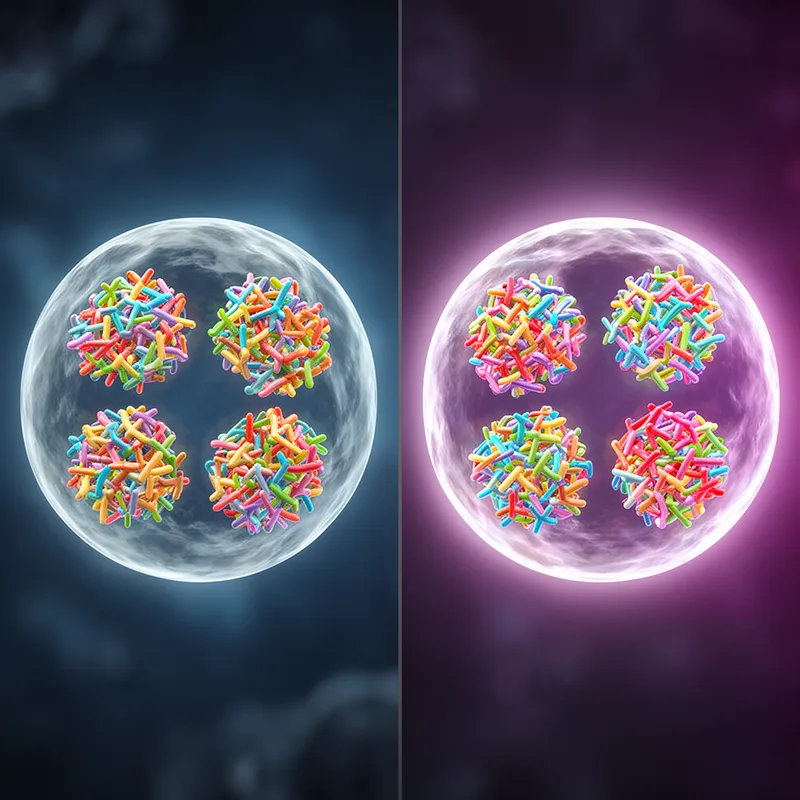
triploid
- adjective
- /ˈtrɪp.lɔɪd/
- Specialized
- Permission was finally granted in the spring of this year, after scientists were able to convince the agency that all Pacific oysters used in the experiment would be disease-free and triploid, essentially sterile.
- triploid trout
- triploid grass
Examples
-
Scientists there manipulate the eggs of fertile (diploid) Asian oysters into a presumably nonfertile (triploid) form.
Academic text (2005) -
"Golfers were playing on sand or at best rough common Bermuda grasses before ARS developed the improved triploid hybrid ones," Hanna says.
Academic text (2002) -
Other removal methods include dredging as well as introducing triploid grass carp, Ctenopharyngodon idella.
Academic text (2005) -
For example, hybrids between B. napus and B. rapa suffer reduced pollen fertility associated with their triploid state (Warwick et al. 2003).
Academic text (2008) -
Southern golfers not only play on fairways planted with Tifsport; many also putt on Tifeagle, a triploid Bermuda grass variety.
Academic text (2002) -
The research team is studying the effects of triploid organisms on the ecosystem, focusing on their unique reproductive traits.
-
Farmers often prefer triploid varieties of crops because they are usually more robust and produce better yields.
-
When breeding fish, many aquaculturists use triploid species to ensure a larger, more desirable harvest since they do not reproduce.
Synonyms
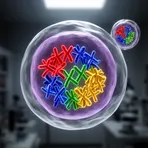
Having more than two sets of chromosomes
How Many
- Specialized

- Specialized
- Specialized
- Specialized
- Specialized
- Specialized
Surface Forms
Morphology
triploid = diploid (transparent) = tri + ploid
The prefix 'tri-' clearly indicates three, and 'ploid' relates to chromosome sets, building on the concept of 'diploid'.
Etymology
Triploid comes from the beginning tri- meaning 'three' (as in triangle) and the ending -ploid meaning 'fold' or 'set'. So triploid means 'three sets', which explains why it describes cells or organisms with three complete sets of chromosomes.

