

Artemisia
- noun
- /ˌɑːrtəˈmɪziə/
- Specialized
- Then we've got Sweet Annie Artemisia, excellent for cut fresh, cut fresh or dried, and good for wreath making.
Loading YouTube…
Watch on YouTubeThen we've got Sweet Annie Artemisia, excellent for cut fresh, cut fresh or dried, and good for wreath making.
- Then we've got Sweet Annie Artemisia, excellent for cut fresh, cut fresh or dried, and good for wreath making.
Examples
-
The garden featured various types of Artemisia, including tarragon and sagebrush.
-
Now this is Artemisia Quicksilver, which Oh my word, look at this foliage.
-
Many chefs appreciate Artemisia, particularly for flavoring dishes and enhancing culinary creations.
-
Oil of Artemisia absinthium (or wormwood oil, as it's usually called) is approximately 40-60% thujone.
Compounds
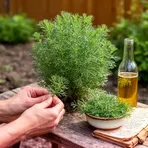
- Specialized
A small bush with feathery leaves and a strong scent used in gardens and old recipes
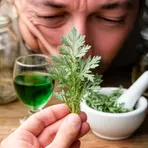
- Specialized
A bitter herb with a strong smell used to make absinthe and for traditional medicine


- Specialized
A bush with silvery leaves that grows in the western US and gives food and shelter to deer and antelope
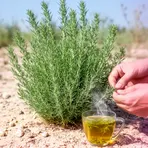
- Specialized
A plant like common wormwood with small aromatic, slightly bitter leaves used in some herbal remedies
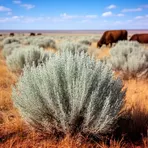
- Specialized
A silver-grey shrub that grows on plains in the United States and Mexico and often becomes a weed in pastures

- Specialized
A perennial herb with a strong smell called tarragon used to flavor food

- Specialized
A small aromatic plant with silvery green leaves and small brownish flowers that grows in dry northern areas

- Specialized
A plant that lives for several years with soft white leaves often called white sage

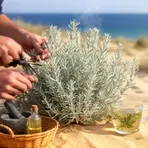
- Specialized
A coastal plant with silvery leaves and a strong smell used in medicine and as a flavor

- Specialized
A bush from the western United States that lives many years and that sheep eat, called budsage
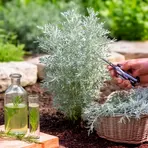
- Specialized
A plant from southeastern Europe with silvery leaves used to flavor absinthe
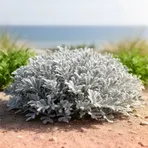
- Specialized
A low plant with soft silvery leaves often grown in gardens near the coast
- Specialized
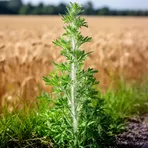
A common European herb called mugwort with hairy stems and green leaves
- Specialized
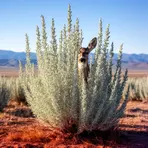
A large shrub with a strong smell and silvery leaves with three parts that grows in dry western North America
Surface Forms
Etymology
Artemisia gets its name from the Greek goddess Artemis, whose name can mean 'safe' or 'healthy' and who is linked with wild places and healing. Because people long used these strong, bitter, scented plants for medicine and they often grow in rough, dry places, the name Artemisia fits this group of herbs like wormwood and tarragon.

