
to rive

to rive

9.8
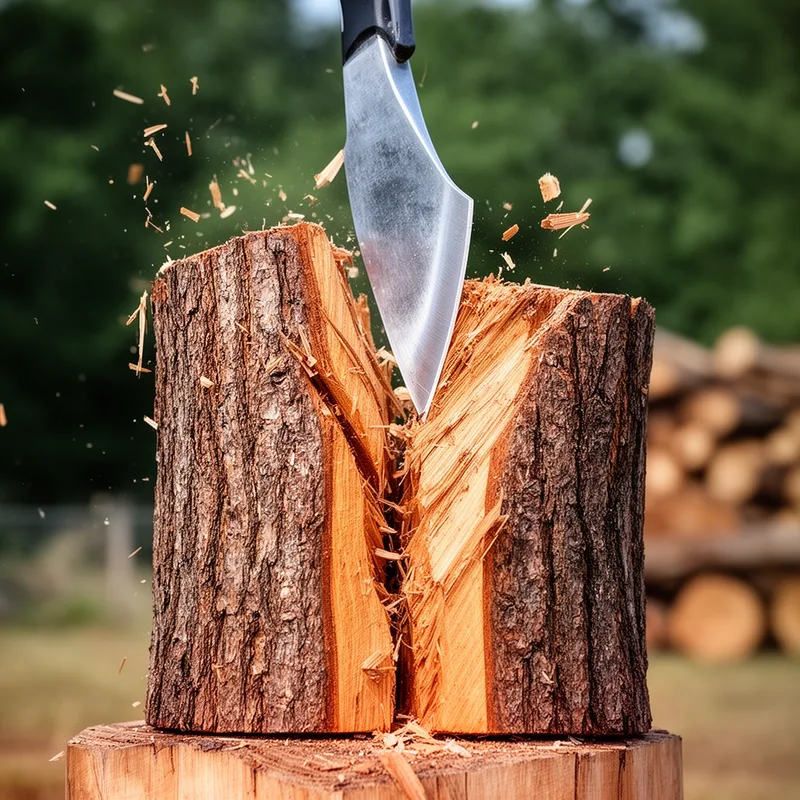
To split something violently with a sharp tool
  • verb
  • /raɪv/
translation icon : rasgar
  • With a swift motion, she rived the cardboard box open to retrieve its contents.

Examples

  • The storm was so strong that it rived several trees apart in the park.

  • A bolt of lightning rived the old oak tree in the storm.

  • Centuries of conflict have riven the nation.

  • The powerful axe rived the log into two pieces.

  • Don't rive your toys apart!

  • The storm rived the old oak tree in half.

  • The carpenter used a sharp blade to rive the wood into two pieces for the new table.

Synonyms

to rip
vsto rive
646 1.7

To tear quickly and forcefully

focuses more on a cutting or sharp instrument than mere pulling
to split
vsto rive
513 1.3

To break something into two or more parts

is more about forcible cutting with a sharp instrument specifically
to rupture
vsto rive
95 6.8

To break open suddenly and violently

involves a deliberate cutting or splitting action with a tool
to chop up
vsto rive
56 1.9

To cut something into smaller pieces by sharp blows again and again with a knife or axe

involves a single split or tear rather than many chopping blows
to tear out
vsto rive
24 4.8

To pull something out with force

is literal physical splitting with emphasis on a sharp instrument
to pull apart
vsto rive
21 3.2

To break something into pieces by hand

often involves cutting or sharp tools rather than only pulling
to splinter
vsto rive
21 3.9

To break into many small, sharp pieces like wood or glass

splits whole parts rather than producing many tiny fragments
to tear off
vsto rive
12 3.0

To pull something off quickly until it rips

is about splitting into parts, not only removing a piece
to rend
vsto rive
10 8.7

To pull something apart with great force

is similar in force but highlights splitting with a sharp tool
to dismember
vsto rive
  • Offensive
9 9.0

To divide something into parts, often breaking a company or country

is about splitting with a sharp tool, not necessarily violent mutilation
to cleave
vsto rive
8 8.0

To cut something in two using a sharp tool like an axe

uses any forceful splitting but especially with a sharp instrument
to rip up
vsto rive
8 2.8

To tear something into small pieces

splits or cuts into parts rather than shredding into fragments
to tear away
vsto rive
6 4.5

To pull something off quickly with force

focuses on splitting through a cutting action rather than detaching
to break away
vsto rive
2 3.5

To come off a larger thing, often because of force or damage

is a deliberate forceful splitting, especially with a sharp instrument
to avulse
vsto rive
  • Specialized
1 9.9

To tear something away suddenly by force

adds the idea of a cut or sharp tool rather than just sudden force
to discerp
vsto rive
  • Archaic
9.9

To tear something into separate parts, usually by force

is similar but stresses sharp instruments rather than formal wording
to revulse
vsto rive
  • Archaic
9.9

Pull something away suddenly with great force

is about splitting with a sharp instrument rather than wrenching away

Antonyms

2.1

To join people or things into one group for a shared purpose

1.0

Connect two things so they become attached

Compounds

The northern side of Paris along the Seine with many shops and businesses

The south bank of the Seine in Paris where cafes, bookshops, artists, and students gather

How Forceful

to shred
112 2.6
to rip
646 1.7
to rive
9.8
to tear
1.0
cut
1.0
to split
513 1.3

Surface Forms

rive infinitive
riving present participle
rives third person singular
rove past
riven past participle

Etymology

The word rive comes from an old English word rīfan meaning 'to tear', and you can see the same root in the word rift, which means 'a split'. So, to rive something is to force it apart or split it, often with a sharp tool.