
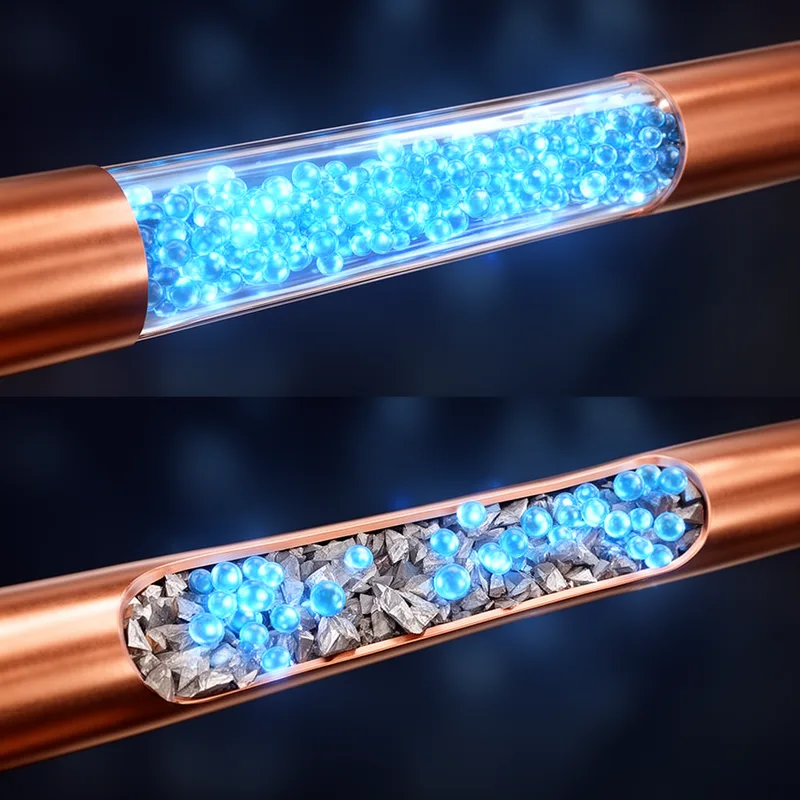
resistance
 46
4.4
46
4.4

- noun
- /rɪˈzɪstəns/
- Specialized
- At that point, the voltage drops because resistance increases.
- load resistance
- resistance increases
- low resistance
Loading YouTube…
Watch on YouTubeAt that point, the voltage drops because resistance increases.
- At that point, the voltage drops because resistance increases.
Examples
-
Poor fuel efficiency due to excess wind resistance.
-
The company would then test them for increased resistance and, if that was found, implement a refuge strategy.
Academic text (1999) -
OK, if you have a voltage and if you increase the resistance, you get a smaller current.
-
This will serve both as the ceiling for the space above and provide resistance against compression.
-
The material's electrical resistance makes it suitable for use in double-insulated appliances as well.
Academic text (1999) -
In essence, a bolometer is a piece of material whose electrical resistance varies with its temperature.
Academic text (1991) -
Nasal obstruction increases the upstream airflow resistance. Upstream resistance increases the collapse of the pharynx.
Academic text (1999) -
When analyzing the circuit, we calculated the resistance of the wire to be 5 ohms.
-
The resistance of the material affects how easily electricity can flow through it.
-
A higher resistance in an electrical component means that less current will pass through.
Synonyms


 1
3.9
1
3.9
The amount a material stops or slows the flow of electric current
How much a material stops electric current from flowing
A measure of how much a wire or part stops electric current, shown in ohms
Antonyms
Compounds


 3
5.6
3
5.6
A way to act against authority without violence, for example by refusing to cooperate
 2
3.9
2
3.9
A way of opposing a government without using violence, for example by refusing to obey laws
- Specialized
1
3.9
The amount a material stops or slows the flow of electric current

A Palestinian political and armed group called Hamas that fights Israel and seeks to replace it with an Islamic state



A Spanish armed group that tried to overthrow the government to make a communist state



- Specialized
A device that measures very high temperatures by watching how electricity in a hot wire changes

- Specialized
A tool that measures temperature by how easily electricity passes through a metal wire

- Specialized
A measure of how much a part in an electrical circuit stops the flow of electricity, for example the ohm

- Specialized
A machine that heats things by passing electricity through a metal wire

- Specialized
How much a material stops electric current while voltage and current change together
How Resistant
- Specialized
5
4.7

- Specialized
7
4.1
- Specialized
46
4.4
- Specialized
14
3.9
- Specialized
10
6.4
Surface Forms
Morphology
Etymology
Resistance comes from the Latin re- 'back' and sistere 'to stand', meaning 'to stand against' a force, so in electricity it is the property that stands against or slows the flow of current (measured in ohms).