
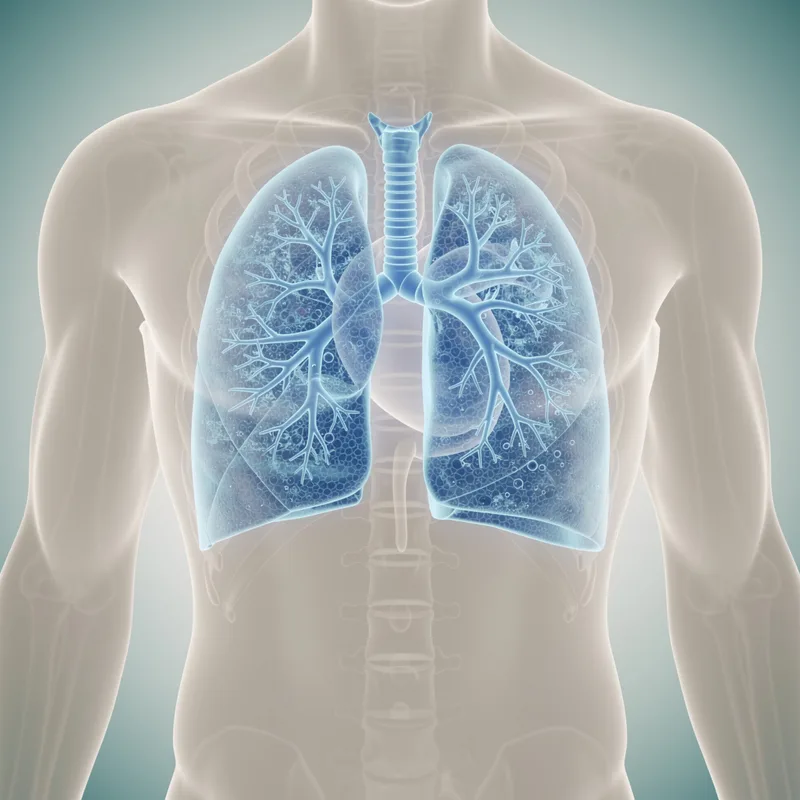
pulmonary
 64
4.1
64
4.1

- adjective
- /ˈpʌlməˌnɛri/
- Specialized
- For example, prednisone, a common medication used to treat pulmonary disease, must be discontinued prior to assessment.
- pulmonary disease
- chronic obstructive pulmonary disease
- pulmonary embolism
Loading YouTube…
Watch on YouTubeThe thin pink froth of pulmonary edema flooding the accordion circuit.
- The thin pink froth of pulmonary edema flooding the accordion circuit.
- My job as a pulmonary and critical care physician has changed forever.
- And what happened was, and then I got, like, altitude sickness, which is hip, that's high altitude pulmonary edema, that's water in the lungs.
- They had better pulmonary function testing when they tested, they just felt better from a lung standpoint.
- And I mean, sad to say, there are elderly people or people with pulmonary conditions that die every year of influenza.
- So I come back and now my third hell week, we had a guy die in my third hell week from pulmonary edema.
- But hey, I had a pulmonary embolism, which means a piece of blood clot broke off and went to my lungs.
- You got that ability to you got those, what is it called those pulmonary capabilities?
- Acute lower respiratory infections and chronic obstructive pulmonary disorder account for about one and a half million deaths a a year.
- She ended up with pulmonary fibrosis with her lungs that were getting scarred from repeated inflammation from breathing in these these proteins and stuff.
- They were dying of anemia, bilharzia, malaria, sepsis and mainly pulmonary and respiratory disease, pneumonia.
Examples
-
Researchers associate parental smoking with decreased pulmonary function and lung growth in smokers' children.
Academic text (1992) -
The value of programs to control pulmonary tuberculosis in developing countries remains the subject of debate.
Academic text (1992) -
Let's just check your pulmonary function here.
-
My job as a pulmonary and critical care physician has changed forever.
-
It's in the pulmonary artery on the left side.
-
Must be a pulmonary embolism.
-
And I mean, sad to say, there are elderly people or people with pulmonary conditions that die every year of influenza.
-
She died from a pulmonary hemorrhage.
-
You are asked to see a 40-year-old man with neurologic and pulmonary symptoms for the past several weeks.
Academic text (2013) -
The doctors examined his lungs and confirmed he had a pulmonary infection.
Synonyms
 102
3.9
102
3.9
Relating to breathing or the body parts used for breathing
Relating to the lungs
Happening inside the lungs
Compounds

- Specialized
6
6.1
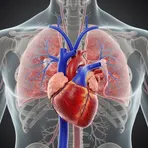
A blood clot that blocks a vessel in the lungs and stops blood flow
- Specialized
5
3.6
A blood vessel that carries blood low in oxygen from the heart's right side to the lungs to get oxygen

- Specialized
1
4.4
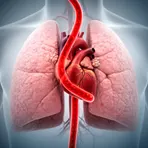
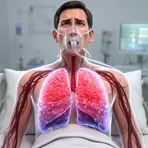
A long-term lung disease that makes breathing difficult and often comes from smoking
- Specialized

 1
6.0
1
6.0
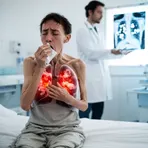
Fluid or blood that builds up in the lungs and makes breathing hard
- Specialized
1
4.9
A serious lung disease that causes a long cough and makes you lose weight
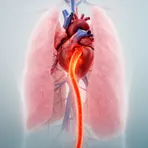
- Specialized
A vein that carries blood from the lower part of a lung to the left atrium of the heart

- Specialized
A serious lung infection caused by breathing in tiny spores that causes severe breathing problems and gets worse quickly
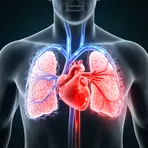
- Specialized
The flow of blood from the heart to the lungs and back where it gets oxygen
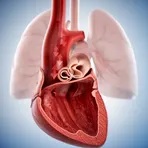
- Specialized
A valve between the heart's right side and the vessel to the lungs that stops blood flowing back

- Specialized
Long-term lung disease that damages the small air sacs and makes breathing hard
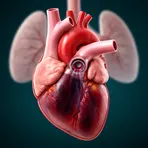
- Specialized
A narrowing of the opening between the right side of the heart and the blood vessel to the lungs

- Specialized
A large vessel that carries blood from the right heart to the lungs and splits into two arteries
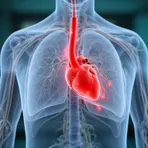
- Specialized
A vein in the top of a lung that carries oxygen-rich blood to the left upper part of the heart
Surface Forms
Morphology
pulmonary = pulmon + ary
Built from the Latin combining form 'pulmon-' (not a standalone English word), so learners who know the common word 'lung' will not reliably derive 'pulmonary' from it.
Etymology
Pulmonary comes from the Latin word pulmo, which means 'lung'. So pulmonary means 'relating to the lungs', and we use it for infections, tests, or problems that affect your breathing.