

logwood
- noun
- /ˈlɔɡˌwʊd/
- Specialized
- The dye extracted from logwood was once highly prized for coloring fabrics.
Examples
-
Many artists use logwood as a natural source for deep purple ink.
-
The furniture maker preferred the strength of logwood for his handcrafted chairs.
-
The dye extracted from logwood was once highly prized for coloring fabrics.
-
The furniture was made from logwood.
-
Many artists prefer using logwood for dyeing fabrics.
-
Many artists use logwood as a natural source for deep purple ink.
-
The furniture maker preferred the strength of logwood for his handcrafted chairs.
Synonyms

A small tropical tree whose hard reddish-brown wood makes a black dye

A small spiny tree from the Caribbean whose hard inner wood makes black dye

Wood used to make dye for coloring cloth
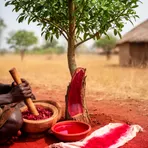
A small African tree with hard red wood that people use to make red dye
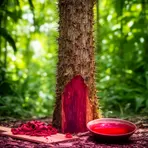
A tropical tree with a prickly trunk and dense red wood used for dye

A hard red wood from a Brazilian tree that makers use for violin bows and fine furniture

A tropical tree with heavy red wood that people use to make furniture and red dye
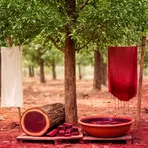
A tree from India with hard fragrant wood and dark red inner wood used for dye

A tree from India with hard, fragrant wood used for furniture and red dye
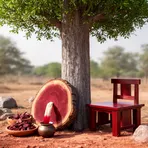
A tree from India and Southeast Asia that has hard dark red wood used for furniture and dye

A tropical tree with hard reddish wood used to make dyes and violin bows
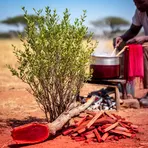
A small African bush with hard red wood that people use to make dye

Hard red wood from a tropical tree with a prickly trunk used for cabinets and dye
Compounds
Surface Forms
Morphology
Etymology
Logwood comes from the parts log and wood, with 'log' meaning 'a cut piece of wood', because traders sent the tree's wood in logs to make color. So logwood now often means the very hard, dark heartwood used to make deep purple or black dye.

