

dyewood
- noun
- /ˈdaɪˌwʊd/
- Specialized
- The rich hues of the dyewood made it a popular choice for traditional textile dyeing.
Examples
-
This and other tropical American exports of medicinal plants in the sixteenth century were only slightly less valuable than dyewoods and sugar (Estes 2000).
Academic text (2018) -
In the past, artisans carefully sourced dyewood from local forests to produce natural dyes.
-
Many artisans use dyewood to create vibrant colors for their fabric projects.
Synonyms
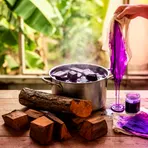
Very hard brown wood from a tropical tree used to make deep purple dye
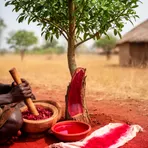
A small African tree with hard red wood that people use to make red dye
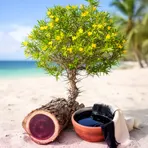
A small spiny tree from the Caribbean whose hard inner wood makes black dye

A tree with yellowish wood that people use to make yellow dye

The red sticky sap that comes out of some trees and is used as a dye
Surface Forms
Morphology
Etymology
Dyewood comes from two simple English parts, dye ('color for cloth') and wood. So dyewood means wood that people use to make dyes to color fabric.

