
logwood
- noun
- /ˈlɔɡˌwʊd/
- Specialized
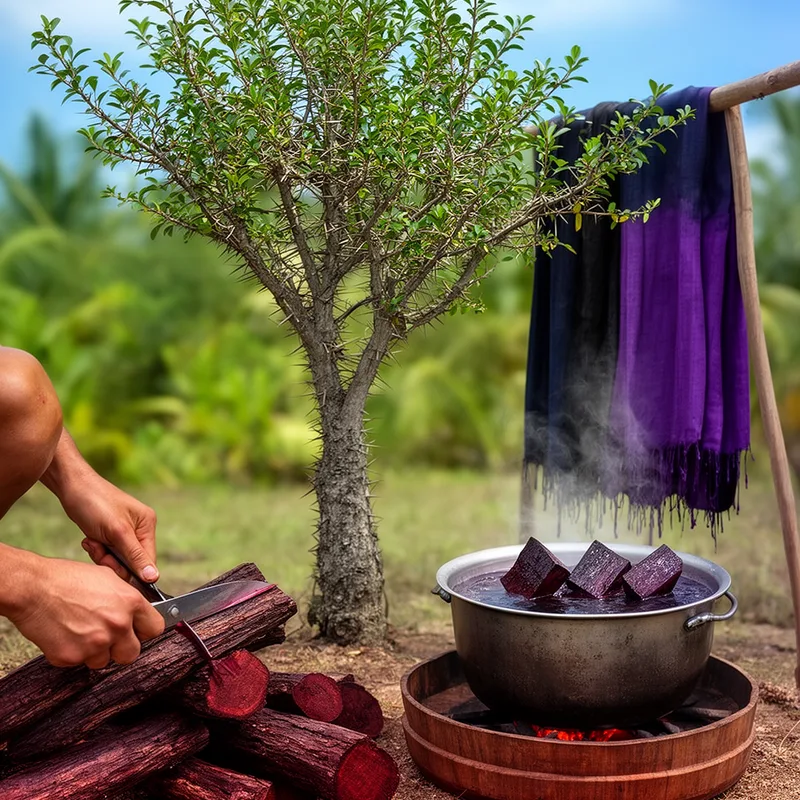
- Logwood is harvested mainly for its rich, dark heartwood, which is used to create a black dye.
- logwood cutters
Examples
-
And Georgie would make the firelight Logwood burning through the night
-
The logwood tree, native to Central America, is valued for its durable wood that produces a sought-after dye.
-
In tropical regions, logwood is commonly used by artisans to dye fabrics deep black.
Synonyms

A small tropical tree whose hard reddish-brown wood makes a black dye

A small spiny tree from the Caribbean whose hard inner wood makes black dye

A small spiny tree with bright yellow flowers used to make black dye
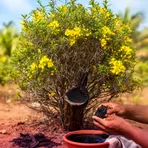
A spiny shrub of Central America and the Caribbean with yellow flowers and hard inner wood for black dye
Compounds
Surface Forms
Morphology
Etymology
Logwood comes from the parts log and wood, with 'log' meaning 'a cut piece of wood', because the tree was cut into logs for shipping and dye-making. So logwood refers to the tree from Central America whose dark wood was used to make a strong blackish dye.

