

herbivorous
 1
6.7
1
6.7

- adjective
- /hɜrˈbɪvərəs/
- Specialized
- The iguana is a well-known herbivorous reptile that feeds mainly on leaves and flowers.
- herbivorous fish
- herbivorous insect
- herbivorous species
Examples
-
Rounding out the plant eaters, some edentates and marsupials evolved herbivorous forms.
Academic text (2009) -
For example, herbivorous eukaryotes must cope with complex mixtures of toxic compounds that are produced by plants.
Academic text (2018) -
Similarly, many New Zealand plants have features that elsewhere serve to protect plants from herbivorous animals.
Academic text (1990) -
All sauropods were herbivorous, and most of them were massive.
Academic text (2007) -
In contrast, the herbivorous blue and red land crabs are conservers that hole up when times are tough.
Academic text (1990) -
In agricultural systems, as in natural ecosystems, herbivorous insects can have significant impacts on plant productivity.
Academic text (2011) -
Their herbivorous food habits can be inferred from preserved gizzards containing dozens of plant species.
Academic text (1990) -
Queen conch are herbivorous, consuming micro- and macroalgae throughout their lives as benthic juveniles and adults.
Academic text (1997) -
The green is a large (90-136 kg) herbivorous turtle that primarily inhabits tropical waters.
Academic text (1994) -
Larvae of this aggressive herbivorous insect have a hearty appetite for tough old melaleuca foliage.
Academic text (1997)
Synonyms

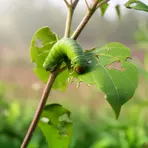
An animal that eats plants like leaves and stems
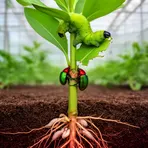
Eating plants like leaves, stems, or roots

An animal that eats grass
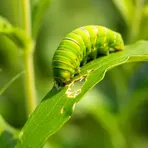
An animal that eats plants or lives on them

Feeding mainly on seeds or grain

An animal that eats mostly fruit as its main food

An animal or bird that mainly eats berries
Antonyms


How Herbivorous

Surface Forms
Morphology
Etymology
The word herbivorous is made of herb- meaning 'plant', seen in the word herb, and -vorous meaning 'to eat', the same idea as in carnivorous. So a herbivorous animal eats only 'plants', not meat.