
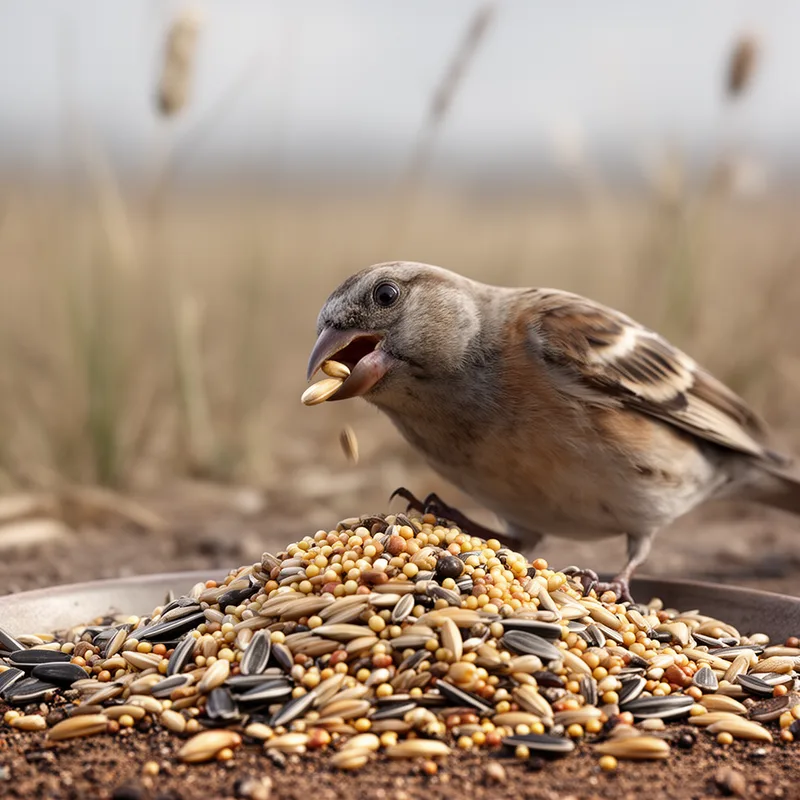
granivorous
- adjective
- /ˌɡrænɪˈvɔrəs/
- Specialized
- Many granivorous birds, such as sparrows, can often be seen foraging for seeds in parks.
- granivorous bird
- granivorous species
Examples
-
Damage to sunflowers caused by foraging flocks of granivorous birds occurs in every major sunflower-growing region of the world, including Australia, China, Europe, India, North America, Pakistan, Russia, South America, and Ukraine (Linz and Hanzel 1997).
Academic text (2011) -
Sunflower fields are an attractive habitat for many migrating granivorous bird species that use the fields for food and cover (Hagy et al. 2010).
Academic text (2011) -
The most arid parts of the Mojave and Colorado Deserts receive, on average, about 100 millimeters (mm) of precipitation per year, and typical habitats support low populations of only one or two granivorous rodent species.
Academic text (2002) -
Farmers often plant sunflowers to attract granivorous birds that help control pests.
-
The diet of these granivorous rodents consists primarily of seeds and grains found in the wild.
Synonyms
 1
6.7
1
6.7

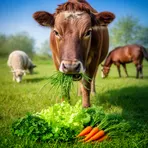
An animal that eats only plants
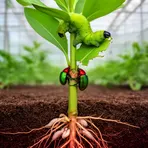
Eating plants like leaves, stems, or roots
Surface Forms
Morphology
Etymology
The word granivorous comes from gran- meaning 'grain' and -vorous meaning 'eating', like in carnivorous or herbivorous. So a granivorous animal eats mainly seeds or grain.