
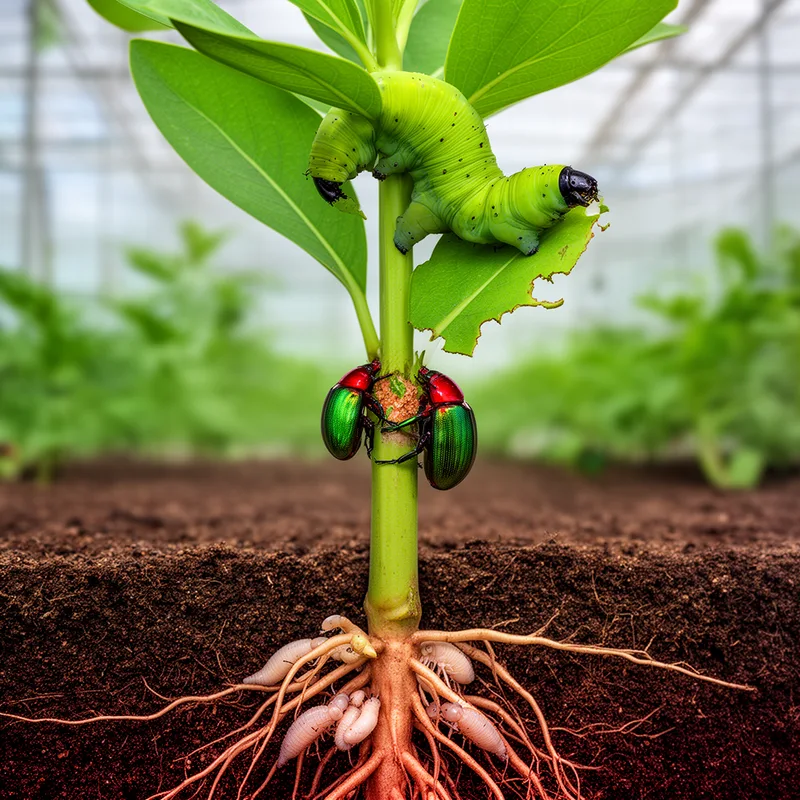
phytophagic
- adjective
- /faɪtəˈfædʒɪk/
- Specialized
- Researchers observed a phytophagic beetle population thriving in the new greenhouse environment.
Examples
-
The phytophagic tortoise grazes on various types of grass.
-
The caterpillar is considered phytophagic because its diet consists solely of plant material.
-
Many insect species are phytophagic, consuming leaves, stems, or roots as their primary food source.
-
Many phytophagic insects play a crucial role in ecosystems.
-
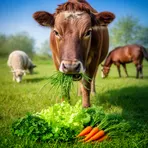
Cows are phytophagic animals that primarily consume grass and other vegetation.
-
Many insects, including caterpillars, are phytophagic and rely on plants for their diet.
-
Rabbits are considered phytophagic because they eat a variety of leafy greens and herbs.
Synonyms

 1
3.5
1
3.5

Eating mainly plants
 1
6.7
1
6.7
An animal that eats only plants
An animal that eats plants like leaves and stems
An animal that eats plants or lives on them
Antonyms

How Plant-Eating

Surface Forms
Morphology
phytophagic = phytophage (opaque) = phyto + phag + ic
The word is a technical Greek-derived biological term built from combining forms ('phyto-' and 'phag-') that are not familiar to average learners, so the meaning is not easily derivable.
Etymology
Phytophagic comes from old Greek parts phyto- 'plant' and -phagic 'eating', so it literally means 'plant-eating' and is used for animals that eat plants, in other words 'herbivores'.