
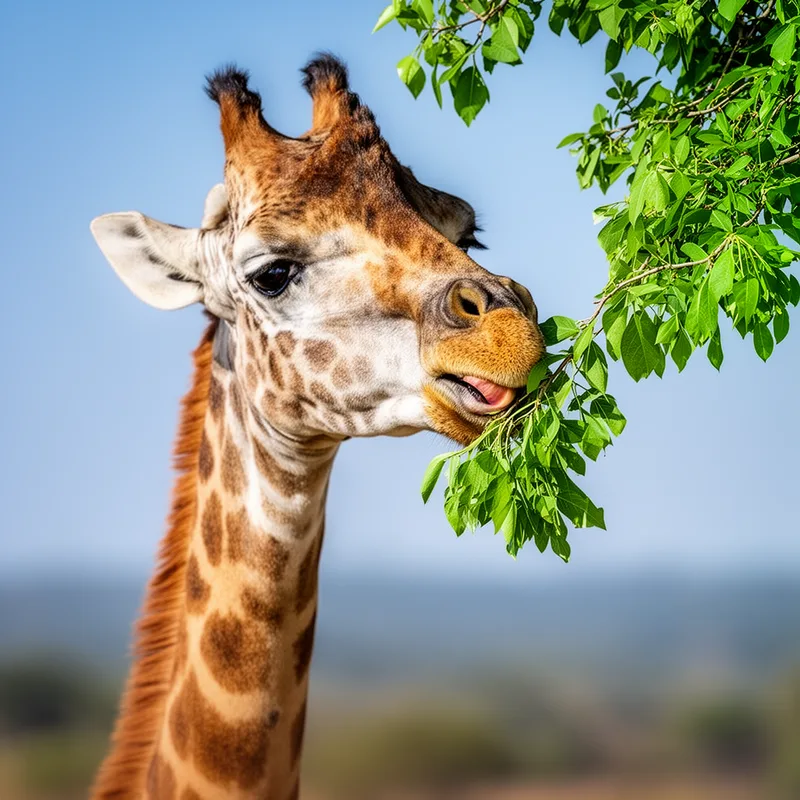
herbivore
 9
3.7
9
3.7

- noun
- /ˈhɜːrbɪvɔːr/
- Specialized
- In the remaining pastures, wombats must compete for food with introduced herbivores such as rabbits and sheep.
- herbivores and insects
- herbivore populations
- herbivore diversity
Loading YouTube…
Watch on YouTubeSo we see a fundamental shift in the ecology of herbivores as a result of the threat of carnivores.
- So we see a fundamental shift in the ecology of herbivores as a result of the threat of carnivores.
- They are pinch and tear herbivores, meaning they pinch the vegetation with their bottom teeth against that Bony plate and then tear it off.
- But, you know, but it's clear that these herbivores have already re established these interactions that have been missing since these animals went extinct for so long.
- Also speak for yourself, isn't herbivore herbivore poo is way better for fertilizing than no one wants whatever omnivore poo.
Examples
-
Once large herbivores such as parrotfish were removed, smaller herbivores such as surgeonfish were also targeted.
Academic text (2008) -
Moose are currently the dominant herbivore at the HBEF (Figure 3).
Academic text (2012) -
But not every herbivore is making the journey.
-
- The big herbivores are easy to find.
-
Then, the herbivores have got nothing left to eat, and then they kind of fall apart.
-
The biggest, strongest animals are all herbivores.
-
Now they have 14 herbivores and six carnivores.
-
For example, as snow depth declines, a shift in the dominant ungulate herbivore could occur.
Academic text (2012) -
A Mara River run dry would lead to die-offs of the Serengeti-Masai Mara's herbivore populations.
Academic text (2011) -
Elephants are large herbivores that consume vast amounts of grass and leaves each day.
Synonyms
 1
3.6
1
3.6
An animal that eats mainly grass and other low plants
Antonyms


How Herbivorous

Surface Forms
Morphology
Etymology
Herbivore comes from Latin parts herb- meaning 'plant' and -vore meaning 'to eat', so it literally means 'plant-eater' and is used for animals like koalas and elephants that feed mainly on plants.