
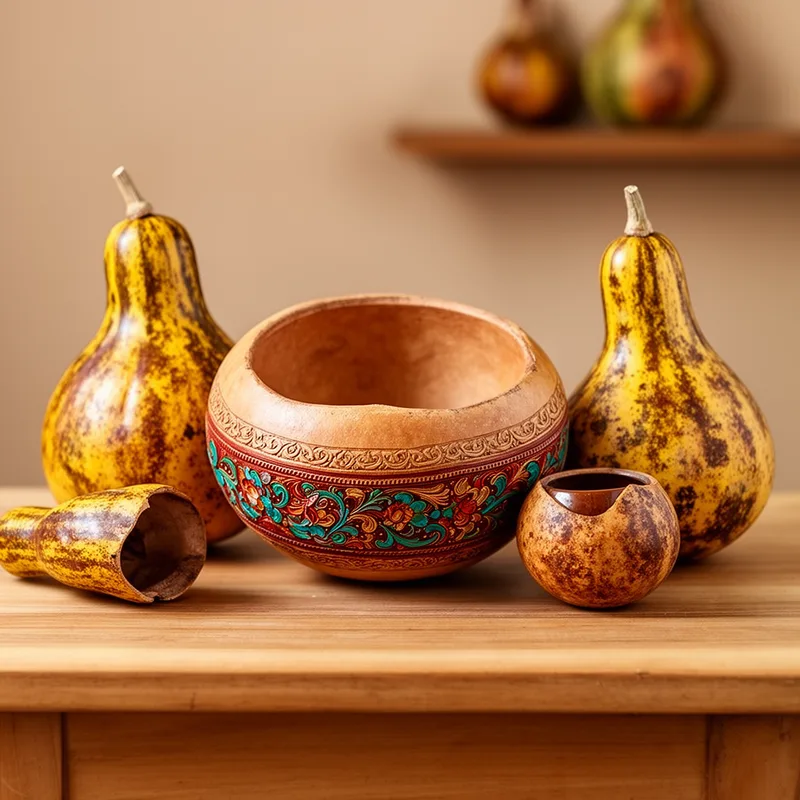
gourd
 10
6.6

- noun
- /ɡʊrd/
- The artist carved intricate designs into the surface of the gourd for his sculpture.
- gourd rattles
Loading YouTube…
Watch on YouTubeSo you would, they had like a huge selection of pumpkins and gourds.
- So you would, they had like a huge selection of pumpkins and gourds.
Examples
-
The exterior decorations of the gourd define particular characteristics of the represented or embodied spirit.
Academic text (2004) -
The shaman shook his dried gourd rattle as he chanted the death song over them.
Fiction book (1995) -
So the gourds I put gold leaf on, I love.
-
Just little cute gourds all along the stem.
-
The university music teacher also helped one elementary class make gourd rattles.
Academic text (2006) -
The university art teacher taught the students how to paint some traditional Native American designs on their gourds.
Academic text (2006) -
Students made gourd rattles following the directions in Burton's book.
Academic text (2006) -
The dancers carried rattles in the shape of gourds, facing the center of the dance grounds.
Academic text (2007) -
The room was dusty, and the gourds against one wall were thick with grime.
Academic text (2007) -
Sarah's palm thumped a small drum while Cynthia rattled a gourd.
Fiction book (1991)
Synonyms


 1
9.9
A vine that grows in dry areas and has small hard green fruits not eaten
 1
6.1
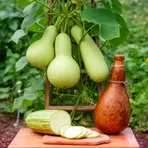
A climbing plant with hard, bottle-shaped fruit used as food or dried to make containers

A small hard green-and-white fruit from a wild North American vine not for eating
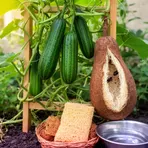
A climbing plant whose young fruits are edible and whose dried mature fruit makes a natural sponge

A climbing plant with large yellow flowers and edible young fruits that dry into natural sponges

A plant fruit used as a natural bath sponge, like a loofah
Compounds
1
6.1
A climbing plant with hard, bottle-shaped fruit used as food or dried to make containers

- Specialized
1
4.7
A group of plants like cucumbers, melons, and pumpkins that grow as vines
A climbing plant with large yellow flowers and edible young fruits that dry into natural sponges
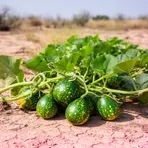
A vine from central and southwestern United States and Mexico that makes small hard spotted green fruit you cannot eat

- Indian
A tropical climbing plant with big yellow flowers, edible young fruits, and a dry inside used as a sponge
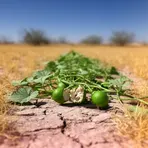
A vine that grows in dry fields and makes small hard green fruits that are not edible

A long-lived vine from dry central and southwestern US and Mexico that has small hard green-and-white fruits not for eating
A small hard green-and-white fruit from a wild North American vine not for eating
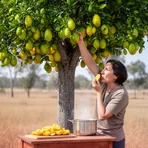

A climbing plant whose young fruits are edible and whose dried mature fruit makes a natural sponge
How Hard

Surface Forms
Etymology
Gourd can mean the hard, often inedible fruit that people use for bowls, instruments, or decoration; because people long ago dried and painted these shells, the word now often points to the fruit when it is used as a bowl or ornament.