
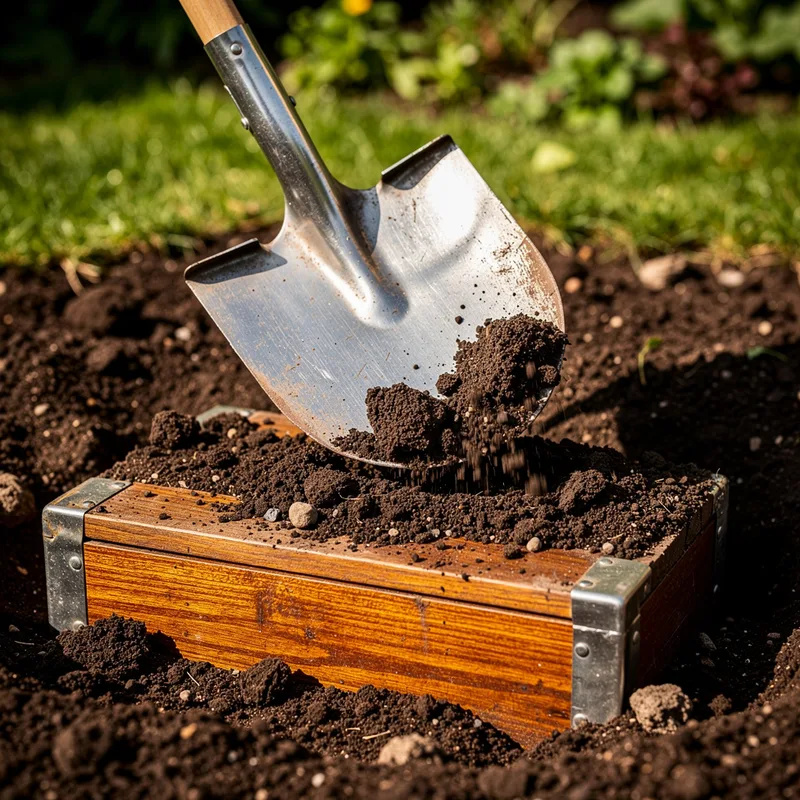
to dig out
 14
3.2
14
3.2

- phrasal verb
- /dɪɡ aʊt/
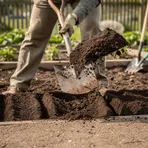
- In the old days, they dug opal out of here using a pick and shovel and their bare hands.
- hole dug out
- dig out the snow
- dug out of the ground
Loading YouTube…
Watch on YouTubeWe might dig a cave out or find a cave to live in.
- We might dig a cave out or find a cave to live in.
- But I just dug this out of the bottom, like the boxes in the bottom of our garbage.
- So it's like if you have a marble, you know, Michelangelo has this big block of marble and he needs to dig David out of there, right?
Examples
-
Scientists had to dig meteorite fragments out of the frozen lake.
Academic text (2001) -
We'll stop here, dig out a snow shelter.
Fiction book (1993) -
The dog had dug out a small hollow at the base of a pine tree.
Fiction book (2000) -
Let's dig out Pop's truck before the skin of the snow freezes up.
Fiction book (1997) -
In a remote corner of the garden, Bob dug out the soil until he uncovered a maze of coral rock.
Fiction book (1999) -
The bulldozers and earth movers have dug out a twenty-foot pit.
Fiction book (1995) -
After the heavy snowfall, we needed to dig out the driveway before we could leave the house.
-
The children were excited to dig out the buried treasure from under the sand at the beach.
-
He carefully dug out the carrots from the garden, ensuring not to damage the roots.
Synonyms
 912
1.0
912
1.0
To move earth with a tool to make a hole
 139
2.0
139
2.0
To take something out of the ground by digging
 85
1.0
85
1.0
To move or dig material with a wide blade and handle
 38
4.4
38
4.4
To pull a plant out of the ground or force people to leave home
 34
8.1
34
8.1
To dig up a body from the ground for checking or burying again
 23
3.5
23
3.5
To dig a passage under something
 21
7.5
21
7.5
To dig up plants or root crops from the ground for harvest
 18
4.2
18
4.2
To dig up something buried in the ground
 12
6.6
12
6.6
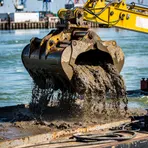
To remove mud and sand from the bottom of rivers or harbours using machines
 10
6.0
10
6.0
To make a hole by removing earth or rock
 3
4.5
3
4.5
To loosen and move soil with a tool like a spade
 2
3.5
2
3.5
To make a long narrow hole in the ground for pipes or to carry water away
 2
4.6
2
4.6
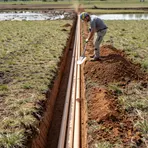
To dig a long narrow ditch in the ground for drainage or pipes
 1
6.3
1
6.3
To dig and loosen soil, for example with a spade
 1
4.0
1
4.0
Pull a plant up from the ground so it cannot grow back

To dig up roots or stumps from the ground

To dig up and remove plants or roots from the ground
Antonyms

How Thorough

Surface Forms
Morphology
The sense 'to find or retrieve something that has been buried, hidden, or forgotten' follows directly from combining 'dig' (to remove earth or uncover) with 'out' (outward/away), where 'out' conveys extraction or removal. This verb+particle pattern is a common, compositional phrasal-verb construction and is likely inferable by a B1 learner who knows both constituents.
Etymology
Dig out comes from the image of using a shovel to free something buried under earth or snow. You literally dig and pull the thing out, so the phrase means 'to remove something covered or buried'.