
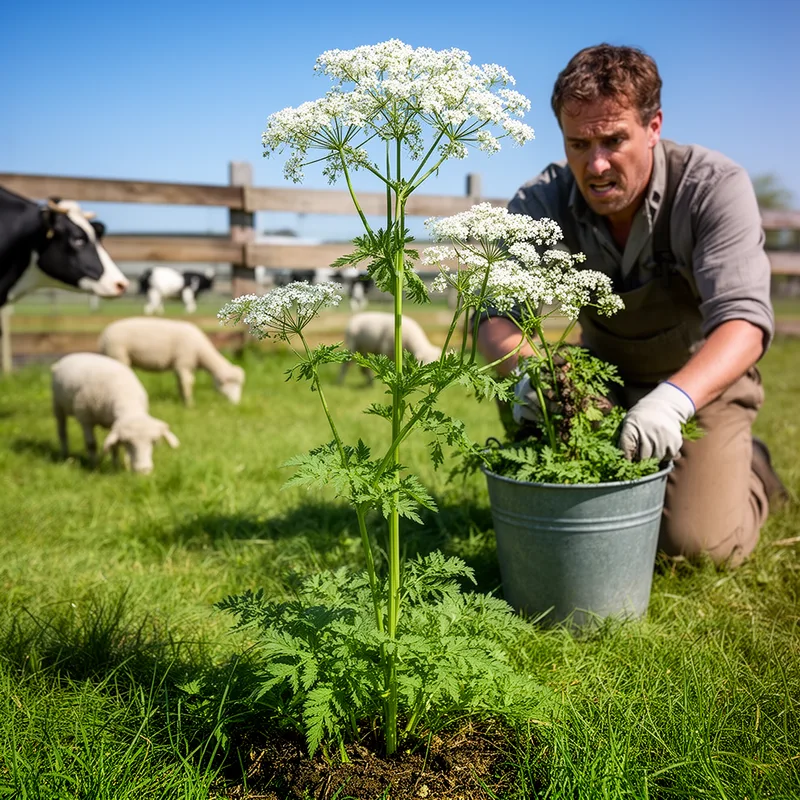
cowbane
- noun
- /ˈkaʊˌbeɪn/
- Specialized
- Farmers warn that cowbane can be deadly to cattle if ingested.
Examples
-
The field was cleared of cowbane to protect the grazing sheep.
-
Children are taught to avoid touching cowbane because of its toxic properties.
-
The cowbane is highly toxic to cattle.
-
Farmers should be aware of cowbane in their fields.
-
Farmers warn that cowbane can be deadly to cattle if ingested.
-
The field was cleared of cowbane to protect the grazing sheep.
-
Children are taught to avoid touching cowbane because of its toxic properties.
Synonyms

 1
9.9
1
9.9

A poisonous herb with sticky, hairy leaves and yellowish brown flowers


 1
9.9
1
9.9
A poisonous plant that lives for many years with yellow flowers and broad rounded leaves

A tall very poisonous plant that grows near streams and has leaves and roots that can kill animals or people

A tall poisonous plant with purple-spotted stems and roots like small potatoes

A tall plant with fernlike leaves and white flowers that can make animals or people very ill
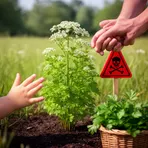
A poisonous plant like parsley that people call fool's parsley

A plant that looks like parsley and can make you very sick if eaten

A plant from Australia with leaves and other parts that can make farm animals sick

A milkweed plant from the southwestern United States and Mexico that makes farm animals very sick

A plant that grows in dry areas and is poisonous to farm animals
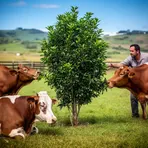
An evergreen shrub from South America whose leaves can poison farm animals
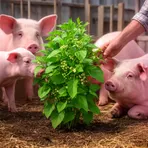
A plant that is poisonous to pigs

A group of poisonous plants like henbane that belong to the nightshade family

A poisonous plant with sticky, hairy leaves and yellow-brown flowers from Europe, Asia and North Africa
A poisonous plant from North Africa and the Middle East whose leaves people use in medicine
Compounds
A tall poisonous plant with purple-spotted stems and roots like small potatoes
Surface Forms
Morphology
Etymology
Cowbane comes from the parts cow and bane, where bane is an old word meaning 'poison' or 'killer'. So it literally means 'poison for cows', which explains why the plant is dangerous to livestock.