

water hemlock
- noun
- /ˈwɔːtər ˈhɛm.lɑk/
- UK
- Be careful around water hemlock.
Examples
-
After mistakenly ingesting water hemlock, the hikers required immediate medical attention.
-
Farmers warn their children to avoid picking wild plants like water hemlock near streams.
-
The leaves and roots of water hemlock are highly toxic to both humans and animals.
-
The water hemlock plant is highly toxic.
-
Farmers are warned to keep livestock away from water hemlock, as it is highly toxic and can cause death.
-
The water hemlock plant grows in marshy areas and is known for its dangerous levels of poison.
-
Because of its lethal properties, people should avoid touching water hemlock when hiking in wetland regions.
Synonyms
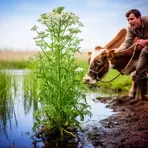
A tall poisonous plant that grows in wet areas and is deadly if eaten

A very poisonous plant that grows near water and has deadly roots
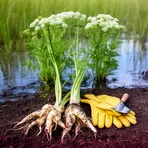
A small group of water hemlock plants with deadly roots
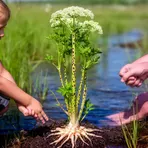
A tall poisonous plant with purple-spotted stems that grows near water and whose roots are deadly if eaten
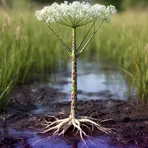
A tall plant with purple spots on its stems and very poisonous roots that grow in wet places
Surface Forms
Morphology
The noun compound is compositionally transparent: 'water' specifies the habitat or association and 'hemlock' names the poisonous plant, so the phrase denotes a hemlock that grows in wet places. This type of noun+modifier pattern (type/location) is common across languages, so a B1 learner who knows both constituents can infer the meaning.
Etymology
Water hemlock gets its name from the two words water and hemlock. People named it this because it grows near water and looked like hemlock, a well-known 'poison' plant, so the name warns that it is very poisonous.

