

to compensate
 94
3.7
94
3.7

- verb
- /ˈkɒmpənˌseɪt/
- Is it changing one of them enough to compensate for the other?
- compensate for loss
- compensate for a lack
- compensate by increasing
Loading YouTube…
Watch on YouTubeAnd you have to compensate for the inequality, OK?
- And you have to compensate for the inequality, OK?
- And so as time went by, they just compensate, you know, for how I fly.
- And if you could compensate for this, the gap would go away.
- But it's obviously compensated for by other positive things.
- And then try to compensate for that by consuming more stimulants?
- It drops the frame rate to compensate for low light.
- But big successes, a few big successes compensate for dozens and dozens of things that didn't work.
- But that should be compensated by you having that third vaccine or booster.
- And to me the sequential manual doesn't compensate for the feel and entirely.
- But they don't mind that because the global ARPU compensates for the ARPU mix.
Examples
-
Glasses and contact lenses bend light to compensate for these refractive errors.
-
College students with disabilities have learned to compensate for differences; ask how you can work with them.
Academic text (1999) -
And if you could compensate for this, the gap would go away.
-
The lower costs of living at home will more than compensate for the increase in tuition.
Academic text (2012) -
In this environment, foreign policy initiatives will compensate for a lack of domestic policy efforts.
Academic text (1990) -
In the end, researchers decided to oversample by 10% to compensate for non-responders.
Academic text (2008) -
Therefore, more dietary protein is needed to compensate for this age-related anabolic resistance.
Academic text (2017) -
The company will compensate employees for their overtime work with additional pay.
-
He decided to compensate for his lack of experience by studying extra hours.
-
The manager promised to compensate customers for the delay in service with a discount.
Synonyms
 483
1.0
483
1.0
To make something right by fixing a mistake
 317
2.7
317
2.7
To change something so it is in the right position or works correctly
 252
2.8
252
2.8
Do work you missed to catch up
 104
4.4
104
4.4
To reduce a bad effect by providing something that balances it
 63
5.8
63
5.8
Make something less harmful or painful
 47
4.8
47
4.8
To act against something to reduce its effect
 45
6.0
45
6.0
To fix something that is wrong and make things right
 39
5.6
39
5.6
To stop an action or effect by acting against it
 25
3.5
25
3.5
Make things equal and make up for a lack so nothing is too much or too little
 18
3.4
18
3.4
To make a surface, amount, or relationship level by removing differences
 12
4.0
12
4.0
Make one thing stop the effect of another so nothing happens
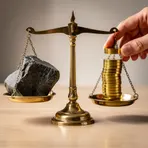 9
5.1
9
5.1
To balance the effect of something by adding an opposite force
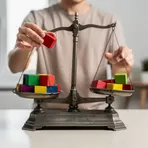 5
4.1
5
4.1
To change something so its parts or amounts become more even
 4
9.3
4
9.3
To act against something to reduce its effect
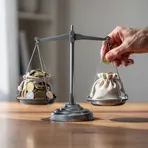 2
4.1
2
4.1
To make two things equal or fair by adjusting what is different
 1
5.7
1
5.7
To balance something by adding weight or cancelling its effect
 1
8.6
1
8.6
To become or make something balanced
 1
9.8
1
9.8
To balance something by acting against it

To make up for a problem by adding something good

To act as a balance against a strong opposite force
Antonyms

How Balanced

Surface Forms
Morphology
compensate = compense + compensation (transparent) = com + pens + ate
The 'make up for' sense (counterbalance) follows directly from the morphemes and is consistent with the meaning in the 'compensation' family.
Etymology
Compensate comes from the Latin parts com- 'together' and pensare 'to weigh'. So to compensate can mean to change or add something to balance out a problem or effect.