

to mitigate
 63
5.8
63
5.8

- verb
- /ˈmɪtɪˌɡeɪt/
- To mitigate the effects of the drought, farmers are using water conservation techniques.
- mitigate the risk
- mitigate the effects
- mitigate the impact
Loading YouTube…
Watch on YouTubeAll right, so to best mitigate that, structure is needed.
- All right, so to best mitigate that, structure is needed.
- Humor is a great way to mitigate pain and suffering.
- And he uses it to mitigate muscle soreness.
- You know, So there it's clear that exercise will help mitigate depression, it'll improve your mood.
- Both if you put them in a meal, they will help to mitigate this meal driven inflammation.
- And the fiber is what mitigates the absorption.
- But, but I think you just do your best to mitigate the, the number of them.
- We were able to produce at least a mitigating response at a minimum.
Examples
-
And one way to help mitigate your stress is therapy.
-
And there are things that we can do to mitigate that climate change.
-
All right, so to best mitigate that, structure is needed.
-
Are they going to be able to just mitigate damage?
-
So that could sort of mitigate the course of the disease.
-
But if you send this, it will mitigate the risk.
-
We can still mitigate this.
-
And, you know, I think you have to be responsible and mitigate the risks as much as possible.
-
It is possible to create systems that actually mitigate some of those risks.
-
We have a whole set of federal policies to manage and mitigate the undesirable consequences of new technology.
Academic text (1999)
Synonyms
 76
5.3
76
5.3
To make pain, suffering, or a problem less strong
 66
3.5
66
3.5
Make something less strong or harsh
 47
4.8
47
4.8
To act against something to reduce its effect
 39
5.6
39
5.6
To stop an action or effect by acting against it
 34
2.8
34
2.8
To make something smaller in amount or strength
 30
5.4
30
5.4
Stop or make something less likely to happen
 23
6.8
23
6.8
To become less strong or severe and to make something do the same
 11
8.1
11
8.1
To make a bad situation better
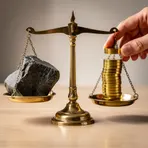 9
5.1
9
5.1
To balance the effect of something by adding an opposite force
 4
9.3
4
9.3
To act against something to reduce its effect

Make a bad thing or its effects seem less serious without removing the cause
Antonyms


How Much
- NSFW
502
3.4
 76
5.3
∞
1.6
34
2.8
63
5.8
166
2.3
305
2.1
76
5.3
∞
1.6
34
2.8
63
5.8
166
2.3
305
2.1
Surface Forms
Morphology
mitigate = mitig + ate
The verb is built from a Latinate combining form 'mitig-' plus the verb-forming suffix '-ate'; the combining form is not a standalone English word, so learners cannot reliably infer the meaning from familiar English components.
Etymology
Mitigate comes from the old Latin verb mitigare, which meant 'to make mild' and from mitis 'mild', like making a very strong taste gentler. So to mitigate something is to soften its bad effects or make harm less severe.