
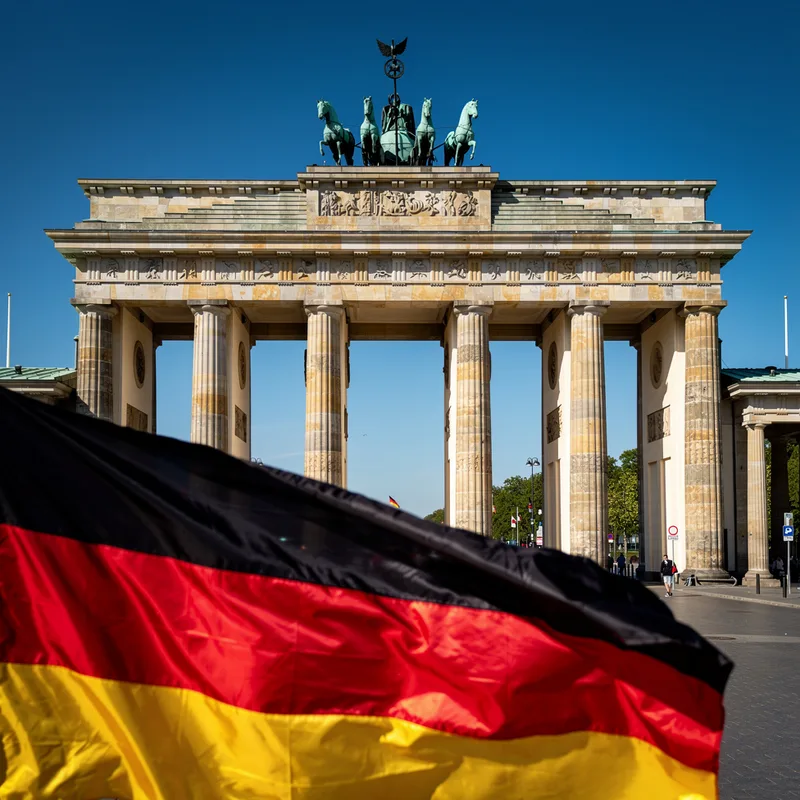
German
 ∞
1.0
∞
1.0

- adjective
- /ˈdʒɜrmən/
- A lot of our archaeology was sponsored by German researchers.
- the German language
- a German soldier
- German troops
Loading YouTube…
Watch on YouTubeBerlin isn't really a very German name, right?
- Berlin isn't really a very German name, right?
- Let's let's, you know, revitalize German culture this way.
- None of that in the German realms.
- A lot of our archaeology was sponsored by German researchers.
- Yeah, I just want the the German mug, the Stein.
- And this is part of German idealism more broadly.
- They are worried that German espionage is undermining them.
- But, but do you feel that the German people share that sentiment?
- We were caught spying on the German government, right?
- Hello, this is the German Coast Guard.
Examples
-
Indeed, Penny and Baby are delighted when a group of German soldiers moves into the villa.
Academic text (2011) -
By the time Wolfram was fit to return to the army, the German Reich was facing a new danger.
Academic text (2011) -
This was the first serious German advance on that front.
-
But in the bigger picture, the German army simply ran out of men.
-
Can you name three German brands for me?
-
It is actually in a German border city.
-
There was a little-known German element to the advances into the New World.
Academic text (2011) -
The German government said tonight they'll be making at least a dozen more openings in the wall, so that more people can cross to the West.
-
The maps you have provided showing German dispositions in the vicinity of Oldorobo Mountain are excellent.
Fiction book (1990) -
The German language is spoken by millions of people worldwide.
Compounds


 11
2.5
11
2.5
A large, intelligent dog that works in police teams or guides blind people


- Specialized
1
3.0
Contagious viral illness that is usually mild but can harm an unborn baby if a woman catches it while pregnant


 1
3.2
1
3.2
Relating to people in the United States whose family came from Germany and their culture
 1
4.8
1
4.8
A standard form of German used for writing and formal speaking in Germany, Austria, and parts of Switzerland
 1
8.4
1
8.4
A political party in Germany led by Adolf Hitler that ruled Germany from 1933 to 1945



- Specialized
A small bellows instrument with buttons on both ends, square or six-sided

A group of German dialects spoken in northern Germany and parts of the Netherlands and Denmark
- Specialized
An old form of Low German spoken in northern Germany and by the Hanseatic League between 1100 and 1500

An older form of German spoken in southern Germany and nearby areas from about 1100 to 1500

A plant with yellow grains and large hanging seed heads grown for food and animal feed



A thick, puffy pancake baked in the oven and often served with lemon, sugar, or fruit

A large, intelligent dog used by police and sometimes as a guide for blind people

A rough plant that lives two years and has yellow flowers that open in the evening
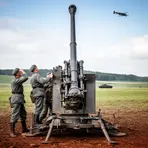


- Specialized
A small flowering herb used to make a calming tea and essential oil, with a slightly bitter taste
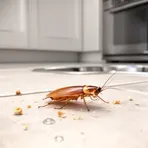
A small light brown cockroach that often lives in kitchens and bathrooms in houses


- Specialized
A silvery metal mix of copper, zinc, and nickel that contains no silver
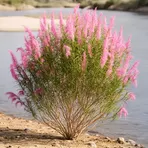
A bush with thin branches and many small leaves that often has pink flowers and grows near rivers or coasts

Surface Forms
Etymology
German comes from the Latin name Germani, which the Romans used for the groups of people living in that part of Europe, and from that name came Germany. So German means 'from that country' or about its people and culture.