
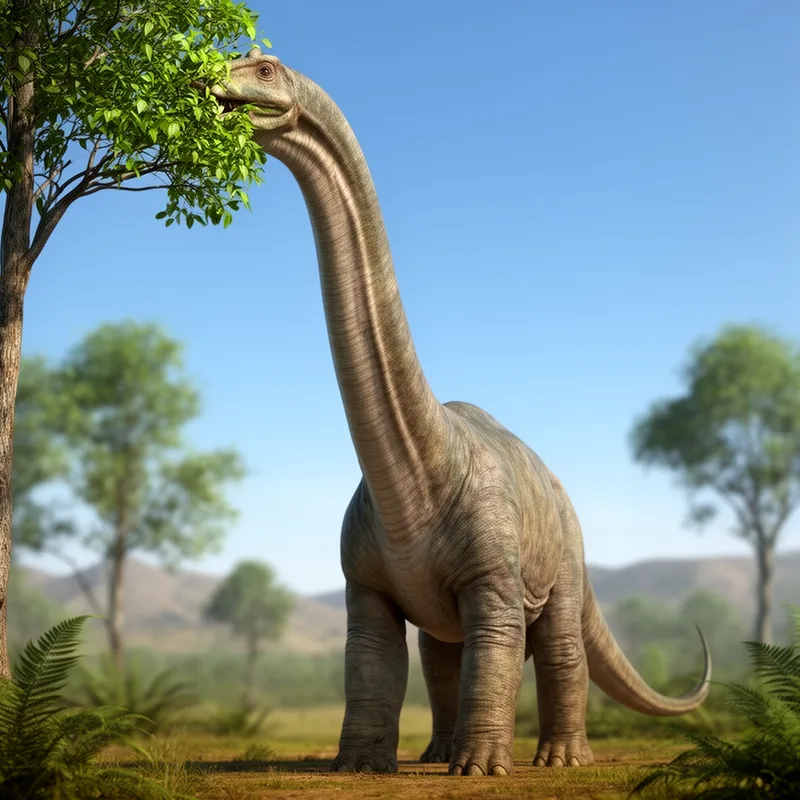
thunder lizard
- noun
- /ˈθʌndər ˈlɪzərd/
- Archaic
- The fossils of the thunder lizard provide insights into dinosaur life millions of years ago.
Examples
-
It means "thunder lizard."
Fiction book (1993) -
Apatosaurus is also known as Brontosaurus—thunder lizard—some honor, eh?
Fiction book (1999) -
The thunder lizard roamed the forests of North America during the late Jurassic period.
-
Children love to learn about the thunder lizard, especially its size and diet.
Synonyms
 1
8.9
1
8.9

A very large plant-eating dinosaur with a long neck that walked on four legs


 1
8.9
1
8.9
A large plant-eating dinosaur with a very long neck and tail that walks on four legs
 1
9.7
1
9.7
A very large dinosaur that eats plants and has a very long neck
 1
8.7
1
8.7
A large, long-necked plant-eating dinosaur from the Jurassic with longer front legs than back legs
 1
9.9
1
9.9
A large long-necked plant-eating dinosaur from the Jurassic with a box-shaped skull

A large dinosaur that eats plants with a very long neck and tail
A very large dinosaur that ate plants from the Late Jurassic, known from fossils in western North America
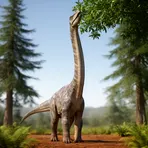
A very large plant-eating dinosaur with a very long neck
Surface Forms
Morphology
thunder + lizard
The constituents 'thunder' (loud, powerful sound) and 'lizard' (a reptile) give a clear cue to a very large, reptile-like creature, so a B1 learner would likely infer 'a big reptile' or even a dinosaur. However, the specific referent (Brontosaurus / a particular large Jurassic dinosaur) and the conventional name are not fully predictable from the parts, making the expression only partly compositional.
Etymology
Thunder lizard comes from Greek words 'thunder' and 'lizard', giving the image of a giant animal whose heavy footsteps would sound like thunder. That's why the name is used for very large, long-necked dinosaurs like the Brontosaurus.